
Hydraulic Seals In UAE & Dubai | Industrial Hydraulic Cylinder, Piston & Rod Seals | High Pressure, High Temperature & Custom Hydraulic Seal Kits
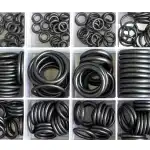
List of Hydraulic Seal Suppliers in UAE
Get top-grade hydraulic seals in Dubai from listed suppliers offering a range of seals, including Rod seals, Piston seals, Wiper seals, Buffer Seals, Rotary Shaft Seals and many more.

Maximize the lifespan of your hydraulic systems with our high-quality hydraulic seals. Our extensive range includes options for various industries and...
Location : Shop 13,14,15,16, Plot No: 31, Mussafah Industrial Area- M9
Phone :  02 55...02 5553534
Mobile :  050 3... 050 3355250


 Send Enquiry
Mfg. & Suppliers of All Kinds of Bearings, Hydraulic & Pneumatic Seals, O-Rings, Mechanical Seals, Couplings and Elements, Pully, Chain, Sprocket, Bel...
Location : Shop 14, Al Aweer Building, Ras Al Khor Industrial Area 1
Phone : 04 33...04 3383049
Mobile : 052 5... 052 5614992

Location : Industrial Area 13
Phone : 06 53...06 5340550
Mobile : 054 4... 054 4065493

Location : Near KGN Pappaya Restaurant and Grills, 11th St, M40, Musaffah
Mobile : 056 7... 056 7356711

Location : Near Emirates Gas Signal, New Industrial Area
Phone : 056 2...056 2226659
Mobile : 056 2... 056 2226658
Location : Near Al Ghazal Transport, M40, Mussafah Industrial Area
Mobile : 050 2... 050 2350190, 054 7054 7935585

Location : Office 3/4, M 9, Mussafah Indl Area
Phone : 02 55...02 5555327
Mobile : 050 7... 050 7305073

Location : I CAD 3, Musaffah
Phone : 054 5...054 5728108
Mobile : 050 2... 050 2819385
Location : Shop 13,14,15,16, Plot No: 31, Mussafah Industrial Area- M9
Phone : 02 55...02 5553534
Mobile : 050 3... 050 3355250

Location : W/2-09/02, Al Jazira Al Hamra Indl Area
Phone : 07 24...07 2432780
Mobile : 050 3... 050 3435304



Location : Block 18, Street 2, Industrial Area 15
Phone : 04 39...04 3943277
Mobile : 050 7... 050 7215409
Location : P6-50, SAIF Zone
Phone : 06 55...06 5578378
Mobile : 055 9... 055 9487218
Location : Shop No.05, Plot M16, Mussafah
Phone : 02 44...02 4429031
Mobile : 052 5... 052 5681832, 052 1052 1323096

Location : Shop 1, Al Khail Building, Behind Masakn Supermarket, Industrial Area 2
Phone : 06 53...06 5391120
Mobile : 055 4... 055 4834386, 055 6055 6236792
Location : Shop No. 12, Al Nakheel Centre, Opp Sutchi Hotel, Yousuf Baker, Deira
Phone : 04 22...04 2276613

Location : M 13, Opposite Al Mansoori, Mussafah
Phone : 02 55...02 5554235
Location : Khansaheb Building, BMW Rd, Ind Area 2
Phone : 06 53...06 5337150
Location : 26, Casablanca Hotel Bldg, Hardware Market, Deira
Phone : 04 22...04 2276199
Location : Behind Rhan Saheb Parking, Near To Baniyas Metro Station, Naif Area, Deira
Phone : 04 22...04 2242945
About Hydraulic Seals Suppliers
Hydraulic Seals in UAE | Industrial, Cylinder & High Pressure Sealing Solutions in Dubai, Abu Dhabi, Sharjah, Ajman and Ras Al Khaimah
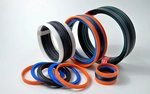
A hydraulic seal is one of the most critical components in any hydraulic system - and one of the most commonly replaced. Whether it is in a construction excavator on a Dubai infrastructure project, a hydraulic press in Sharjah's industrial zone, a forklift in a Jebel Ali warehouse, or a steering system on a heavy truck in Abu Dhabi's Mussafah district, hydraulic seals are the components that keep hydraulic fluid where it belongs - under pressure, inside the cylinder - and prevent the system from losing power, developing leaks, or failing entirely. The UAE's extreme operating conditions - summer temperatures exceeding 50°C under direct sun, fine desert dust penetrating every exposed surface, heavy continuous use cycles in construction and industrial applications - make hydraulic seal quality and correct selection especially important.
Verified Hydraulic Seal Suppliers Across UAE - Full Contact Directory
| Company Name | Emirate | Phone |
|---|---|---|
| Master Mechanical Equipment LLC | Abu Dhabi | 050 3355250 |
| Power Seals Machinery Spare Parts Trading LLC | Dubai | 04 3383049 |
| Powerflow Hydraulic Maintenance and Services LLC | Abu Dhabi | 056 7356711 |
| Azimuth Rubber and Mechanical Solutions LLC | Abu Dhabi | 050 2350190 |
| Fluid Tech Hydraulic Hoses Tr LLC | Sharjah | 056 1211609 |
| Al Andlaib Auto Spare Parts Trading LLC | Sharjah | 06 5391120 |
| Omega Bearing | Ajman | 056 2226658 |
| Inmarco FZC | Sharjah | 050 5734688 |
| Smart Industrial Equipment LLC | Abu Dhabi | 050 7305073 |
| Supreme Rubber LLC | Ras Al Khaimah | 050 3435304 |
| Al Zerwa Trading Company LLC | Sharjah | 055 9951158 |
| Technical Equipment Company LLC | Abu Dhabi | 056 4229111 |
| Silver Touch Trading LLC | Sharjah | 052 7162117 |
| HoseXpress Middle East LLC | Dubai | 055 7769487 |
| Spare Parts Networks LLC | Dubai | 04 2276613 |
| Al Haj Ghaddar Trading Establishment | Abu Dhabi | 02 5554235 |
Hydraulic Seals in UAE
What Hydraulic Seals Are, Why UAE Operating Conditions Make Seal Quality Critical, and Where to Source the Right Seals in UAE - Power Seals Machinery Spare Parts Trading LLC Dubai, Master Mechanical Equipment LLC Abu Dhabi & Inmarco FZC Sharjah
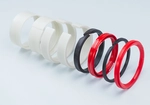
A hydraulic seal is a precisely engineered component - usually made from rubber, polyurethane, or PTFE. It sits in a groove inside a hydraulic cylinder and prevents hydraulic fluid from leaking past the moving piston or rod. Think of it as a tightly fitted ring that acts as a barrier. When hydraulic pressure pushes fluid against one side of the piston, the seal prevents that fluid from slipping past the piston to the low-pressure side - which is what creates the force the system uses to lift, push, pull, or clamp. Without an effective seal, a hydraulic cylinder has no power. It generates insufficient force, moves erratically, or fails to hold position entirely. In the UAE - where hydraulic systems power everything from construction cranes and excavators in Dubai's Al Quoz and Jebel Ali zones to agricultural and water infrastructure equipment in Abu Dhabi's outlying regions. A hydraulic seal failure does not just inconvenience operators, it stops work on projects where downtime costs are significant.
Why do hydraulic seals wear out faster in the UAE than in European or Asian applications running the same equipment - and what does this mean for maintenance budgets and replacement intervals?
Three UAE-specific factors accelerate hydraulic seal wear. First, temperature - rubber and elastomer seals begin losing elasticity and hardening above 80°C, and hydraulic fluid in a UAE construction machine working under direct summer sun in July or August can easily reach 90–110°C in the cylinder and circuit before the system overheats and shuts down. Second, contamination - the fine desert silica dust common across UAE construction sites in Dubai Investment Park, Al Maktoum City, Yas Island, and Abu Dhabi's outskirts is highly abrasive and enters the cylinder around the rod seal if the wiper seal is worn - accelerating scratching of both the seal and the rod surface. Third, pressure cycling - many UAE construction and industrial applications involve aggressive, repetitive pressure cycling under load that adds fatigue stress to seals beyond what a European general-industry rating assumes. Replacement intervals for hydraulic seals in UAE heavy construction are typically 30–50% shorter than the manufacturer's baseline recommendation.
- Construction sector - Dubai and Abu Dhabi - excavators, bulldozers, cranes, piling rigs, concrete pump booms, and mobile elevated work platforms all use hydraulic cylinders that require regular seal replacement. Dubai's active construction zones (MBR City, Dubai Creek Harbour, Expo City area) and Abu Dhabi's development projects (ADNOC facilities, Etihad Rail infrastructure, Reem Island developments) create constant demand for high-performance replacement seals.
- Industrial manufacturing - Sharjah and Ajman industrial zones - hydraulic presses, injection moulding machines, metal forming equipment, and automated production lines in Sharjah's Sajaa and SAIF Zone, and Ajman's industrial area all use hydraulic seals requiring periodic replacement.
- Oil and gas - Abu Dhabi offshore and onshore - ADNOC operations and the broader Abu Dhabi oil and gas services sector use hydraulic equipment where seal specifications are critical - high-pressure, chemically compatible, and often requiring full material traceability documentation.
- Marine and port - Jebel Ali, Khalifa Port, Fujairah Port - cranes, ship loaders, mobile harbour equipment, and anchor handling vessels all use hydraulic seals where saltwater resistance is an additional requirement alongside the standard pressure and temperature performance.
Hydraulic Seal Market in UAE - Key Industrial Zones and Applications
| Emirate / Zone | Primary Industry | Common Equipment | Key Seal Requirement |
|---|---|---|---|
| Dubai (Al Quoz, Jebel Ali, DIC) | Construction, logistics, light manufacturing | Excavators, forklifts, hydraulic presses, loading dock equipment | Heat resistance, fast availability, broad size range |
| Abu Dhabi (Mussafah, ICAD, offshore) | Oil and gas, construction, heavy industry | Drilling equipment, subsea tools, heavy construction plant, refinery equipment | Chemical compatibility, high pressure rating, material traceability |
| Sharjah (Sajaa, SAIF Zone, Hamriyah) | Manufacturing, food production, general industry | Injection moulding machines, metal presses, food processing equipment | Cost-competitive sourcing, metric sizes, food-safe material options |
| Ajman (Industrial Area) | Light industry, automotive, workshops | Hydraulic jacks, vehicle lifts, workshop equipment | Standard sizes, competitive pricing, same-day availability |
| Ras Al Khaimah (RAK Industrial) | Cement, quarrying, construction materials | Quarry equipment, cement plant hydraulics, dump trucks | Abrasion resistance, heavy-duty compound, dust ingress protection |
Power Seals Machinery Spare Parts Trading LLC (04 3383049) in Dubai, Master Mechanical Equipment LLC (050 3355250) in Abu Dhabi, and Inmarco FZC (050 5734688) in Sharjah are established hydraulic seal suppliers - contact them with your application details, operating pressure, temperature range, and cylinder dimensions for a product recommendation.
Hydraulic Sealing Solutions in UAE
Complete Hydraulic Sealing Solutions for UAE Industrial, Construction and Oil & Gas Applications - How to Select the Right Sealing System for Your Specific Hydraulic Circuit, What a Sealing Solution Includes Beyond the Seal Itself, and How UAE Suppliers Help You Match Seals to Your System Requirements - Powerflow Hydraulic Maintenance and Services LLC Abu Dhabi, HoseXpress Middle East LLC Dubai & Fluid Tech Hydraulic Hoses Tr LLC Sharjah
A hydraulic sealing solution is not just a single seal - it is the complete set of sealing components that work together to keep a hydraulic cylinder leak-free and performing correctly across its full operating range. A typical double-acting hydraulic cylinder contains six or more distinct seal types working together: a piston seal that separates the two pressure chambers inside the cylinder, a rod seal that prevents fluid from escaping along the rod as it extends and retracts, a wiper seal that scrapes dust and debris off the rod as it enters the cylinder, a guide ring that keeps the piston and rod centred and prevents metal-to-metal contact, and sometimes backup rings and O-rings at fitting and port connections. When one seal fails, the others are exposed to altered pressure and contamination conditions. Replacing only the failed seal while leaving worn companions in place is why many UAE workshops find themselves repeating the same repair within months.
When a hydraulic cylinder on a crane or excavator in Dubai starts leaking, is it enough to replace just the seal that is visibly damaged - or does a complete sealing solution require replacing multiple components at the same time?
The professional recommendation - and the practice followed by experienced hydraulic engineers in UAE service facilities in Mussafah and Al Quoz - is always to replace the complete seal kit when repairing a cylinder, not just the visibly failed component. The reasoning is straightforward: if a cylinder has been running to the point where one seal has failed, the other seals in the same cylinder have experienced the same operating hours, the same heat cycles, and the same fluid contamination conditions. They may be approaching failure even if they are not yet visibly damaged. The labour cost of disassembling and reassembling a hydraulic cylinder is the same whether you replace one seal or the full kit - so replacing the full kit at the same labour cost eliminates the high probability of needing to repeat the entire repair within months.
Hydraulic Sealing System Components - What Each Does
| Component | Location in Cylinder | Function | Failure Sign |
|---|---|---|---|
| Piston seal | Around the piston, inside the cylinder bore | Prevents fluid passing from high-pressure side to low-pressure side of piston - creates the force | Cylinder drifts under load, sluggish movement, loss of holding force |
| Rod seal | In the cylinder head, around the rod | Prevents hydraulic fluid from leaking out of the cylinder along the rod surface | Visible oil film or drip on the rod, oil pooling under the cylinder |
| Wiper seal (scraper seal) | Outermost seal in the cylinder head | Removes dust, dirt, and debris from the rod surface as it retracts - protects the rod seal from abrasive contamination | Dirt visible on rod above cylinder head, scored rod surface, rapid rod seal failure after replacement |
| Guide ring (wear ring) | On piston and/or rod, inside cylinder bore | Keeps piston and rod centred - prevents side loads from causing metal-to-metal contact that destroys seals | Cylinder wall scoring, rapid seal wear, noisy operation with metal scraping sound |
| Backup ring | Alongside primary seals - particularly at high-pressure points | Prevents the primary seal from being forced into the groove gap at high pressure - critical in high-pressure circuits above 200 bar | Primary seal extrusion damage - seal material pushed into the groove gap creating a permanent leak path |
| Port and fitting O-rings | At hydraulic hose and pipe connections | Seals the fluid connection at hydraulic ports - prevents leakage at the fitting junction | Oil weeping at hose connections, fittings that are visibly wet with oil despite tightening |
Powerflow Hydraulic Maintenance and Services LLC (056 7356711) in Abu Dhabi, HoseXpress Middle East LLC (055 7769487) in Dubai, and Fluid Tech Hydraulic Hoses Tr LLC (056 1211609) in Sharjah provide complete hydraulic sealing solutions - contact them with your cylinder make, bore size, rod diameter, and stroke length for a matched complete seal kit.
Industrial Hydraulic Seals
Heavy-Duty Industrial Hydraulic Seals for UAE Manufacturing, Press, Mining, Marine and Infrastructure Applications - How Industrial Hydraulic Seals Differ from Standard Commercial Seals and What Specifications Matter Most for High-Duty-Cycle Industrial Equipment in Sharjah, Abu Dhabi and Jebel Ali - Azimuth Rubber and Mechanical Solutions LLC Abu Dhabi, Al Zerwa Trading Company LLC Sharjah & Smart Industrial Equipment LLC Abu Dhabi
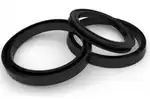
Industrial hydraulic seals are engineered for applications where the operating conditions are more severe than a standard mobile or commercial application. While the hydraulic cylinder in a small car workshop lift operates at moderate pressures, modest temperatures, and perhaps a few cycles per hour, an industrial hydraulic press in Sharjah's manufacturing zone may cycle hundreds of times per hour at 350 bar operating pressure with fluid temperatures that regularly hit 80°C. The seal running these two applications looks similar from the outside but the material, cross-section geometry, lip profile, and hardness are fundamentally different - and using a standard-grade seal in an industrial application is a reliable route to premature failure.
What is the difference between an industrial-grade hydraulic seal and a standard commercial-grade seal - and how would a workshop or maintenance team in Sharjah's Sajaa zone or Abu Dhabi's Mussafah know which grade they actually need for a specific piece of equipment?
The key differentiators are operating pressure, duty cycle, and fluid temperature. Industrial-grade seals use harder materials (typically polyurethane or PTFE-based compounds rather than standard NBR rubber), have tighter dimensional tolerances, and feature lip geometries designed to maintain a stable sealing surface under high-frequency pressure cycling. Commercial-grade seals use softer materials that offer low breakout friction - good for smooth operation at lower pressures but inadequate for the sustained high-pressure cycles of industrial equipment. The equipment's original specifications in the service manual are the first reference - it will state the operating pressure, fluid type, and temperature range. If those specifications indicate above 200 bar, above 80°C fluid temperature, or continuous duty cycles, the correct choice is always industrial-grade. If in doubt, consult a specialist supplier in Mussafah or Sajaa who can cross-reference the original manufacturer's seal specification.
- Hydraulic press seals - high-pressure, high-cycle-rate applications in UAE metal forming, rubber moulding, and plastic injection moulding plants - require polyurethane or PTFE seals with backup rings rated for 250–400 bar
- Crane and heavy lift seals - large-bore cylinders in port cranes at Jebel Ali and Khalifa Port, offshore crane barges, and yard cranes - require high-load seals with excellent extrusion resistance and corrosion-resistant surface protection
- Mining and quarrying seals - RAK - Ras Al Khaimah's cement and quarrying industry uses heavy mobile and stationary equipment with hydraulic cylinders exposed to extreme dust and abrasive contamination - require heavy-duty wiper seals and abrasion-resistant compound primary seals
- Offshore and subsea seals - Abu Dhabi - ADNOC offshore operations require seals with full material traceability, NACE compliance for H2S environments in some applications, and saltwater-resistant compounds
Azimuth Rubber and Mechanical Solutions LLC (050 2350190) and Smart Industrial Equipment LLC (050 7305073) in Abu Dhabi, and Al Zerwa Trading Company LLC (055 9951158) in Sharjah supply industrial-grade hydraulic seals - contact them with your equipment make, model, operating pressure, and fluid type for an industrial-specification product recommendation.
Hydraulic Cylinder Seals
Complete Hydraulic Cylinder Seal Sets for All Cylinder Types in UAE - Single-Acting, Double-Acting, Telescopic and Tie-Rod Cylinders Used in Construction, Agricultural, Material Handling and Industrial Equipment Across Dubai, Abu Dhabi and Sharjah - Spare Parts Networks LLC Dubai, Technical Equipment Company LLC Abu Dhabi & Silver Touch Trading LLC Sharjah
Hydraulic cylinders come in several fundamentally different configurations and the seal set required for each type is different. Understanding which type of cylinder is in your equipment is the first step to ordering the right seals. A single-acting cylinder only pushes in one direction (like a hydraulic jack) and requires seals only on one side of the piston, with a spring or gravity returning it. A double-acting cylinder pushes and pulls (like an excavator arm cylinder) and requires seals on both sides of the piston. A telescopic cylinder extends in multiple stages (like a tipper truck cylinder or a mobile crane boom) and has a complex multi-stage seal arrangement. Each requires different seal geometry, different groove dimensions, and different seal kit content.
When buying a hydraulic cylinder seal kit in Dubai or Sharjah for a specific piece of construction or industrial equipment, what exact information do you need to provide the supplier to get the correct kit - and why is the equipment model number not always enough?
The equipment model number identifies the machine but not necessarily the specific cylinder variant - many machines have been produced with different cylinder specifications across production years, regions, and market specifications. The information that uniquely identifies the correct seal kit is the cylinder's bore diameter (the internal diameter of the cylinder barrel), the rod diameter (the diameter of the extending shaft), and the cylinder's stroke length. These three measurements are typically stamped on the cylinder body or available from the machine's hydraulic system specifications page. With these three measurements, a knowledgeable UAE seal supplier can identify the correct seal kit even without the cylinder part number. The bore and rod diameter define all the seal cross-sections; the stroke determines any seal that references total cylinder travel.
Hydraulic Cylinder Types Used in UAE - Seal Kit Requirements
| Cylinder Type | How It Works | Common UAE Application | Seal Kit Requirement |
|---|---|---|---|
| Single-acting cylinder | Hydraulic pressure extends only - spring or gravity returns | Hydraulic jacks, workshop lifts, clamping fixtures | Piston seal on one side only, rod seal, wiper, O-rings |
| Double-acting cylinder | Hydraulic pressure extends and retracts - full control in both directions | Excavator arms, crane jibs, tipper bodies, press platens | Full seal kit - piston seals both sides, rod seal, wiper, guide rings, backup rings, O-rings |
| Telescopic cylinder | Multiple nested stages extend sequentially - very long stroke from compact collapsed length | Tipper trucks (Al Quoz fleet operators), mobile crane booms, skip loaders | Multi-stage seal kit - each stage has its own piston and rod seal set - complex assembly requiring manufacturer data |
| Tie-rod cylinder | Standard industrial cylinder assembled with external tie-rods - easy to disassemble for seal replacement | Industrial machinery in Sharjah and Ajman manufacturing - presses, fixtures, automation | Highly standardised - seal kits available for standard NFPA or ISO bore sizes from most UAE suppliers |
| Welded / mill-type cylinder | Heavy-duty cylinder welded shut - must be cut for internal access in major repairs | Heavy construction equipment, mining, offshore - bulldozers, piling rigs, drill rigs | High-load, high-pressure seal kits - manufacturer data or physical measurement essential for correct sizing |
Spare Parts Networks LLC (04 2276613) in Dubai, Technical Equipment Company LLC (056 4229111) in Abu Dhabi, and Silver Touch Trading LLC (052 7162117) in Sharjah supply hydraulic cylinder seal kits - contact them with your cylinder bore diameter, rod diameter, and cylinder make/model for an accurate kit recommendation.
Hydraulic Piston Seals
How Hydraulic Piston Seals Work and How to Choose the Right Piston Seal for UAE High-Pressure Applications - Single-Acting vs Double-Acting Piston Seals, Cup Seals vs T-Seals vs Composite Piston Seals and What Each Configuration Delivers for Specific UAE Industrial and Construction Uses - Omega Bearing Ajman, Power Seals Machinery Spare Parts Trading LLC Dubai & Inmarco FZC Sharjah
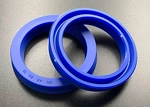
The piston seal is the seal that does the most important job in a hydraulic cylinder - it creates the pressure boundary that generates force. Sitting in a groove around the piston, it presses against the cylinder bore wall with enough contact force to prevent hydraulic fluid from bypassing the piston from the high-pressure side to the low-pressure side. When the piston seal is working correctly, all the hydraulic pressure applied to one face of the piston is converted into pushing force. When the piston seal is worn or damaged, hydraulic fluid bleeds past the piston - the cylinder can still move but cannot develop or hold full force, and under a sustained load it will slowly drift or creep, which is why a hydraulic cylinder that "sinks" or loses position under load almost always has a failing piston seal.
A tipper truck on a Dubai construction site lifts fine but slowly lowers on its own when the hydraulic control is in the neutral position - is this definitely a piston seal problem or could it be something else in the system?
Slow uncontrolled lowering in neutral is the classic symptom of piston seal bypass - hydraulic fluid is passing from the high-pressure (loaded) side of the piston to the low-pressure side through a worn or damaged piston seal, allowing the load to push the piston back. However, two other causes produce the same symptom and should be eliminated before cylinder disassembly: a leaking or stuck-open directional control valve that allows fluid to return to tank even in neutral, and a faulty load-holding valve (counterbalance valve) if one is fitted in the circuit. The quickest field diagnostic is to isolate the cylinder from the hydraulic circuit by shutting the supply and return valves - if the cylinder still drifts with both valves closed, the leak is internal (piston seal). If the drift stops when the circuit is isolated, the issue is in the valve block rather than the cylinder itself.
Piston Seal Types - Selection Guide for UAE Applications
| Piston Seal Type | Configuration | Best For | Pressure Range |
|---|---|---|---|
| Single-acting cup seal | Single lip seal that seals in one direction only | Single-acting cylinders - jacks, workshop lifts, simple actuators | Up to 160 bar - moderate duty |
| Double-acting T-seal (with backup rings) | T-shaped PTFE profile with NBR or PU energiser, O-ring type backup rings each side | Industrial double-acting cylinders - presses, manufacturing equipment in Sharjah and Ajman | Up to 400 bar - high pressure industrial |
| Composite piston seal (step seal) | PTFE sliding element with rubber O-ring energiser - step-cut profile for easy installation | Mobile hydraulics - excavators, cranes, mobile equipment operating in UAE construction sites | Up to 350 bar - excellent low friction at high pressure |
| Symmetrical piston seal | Symmetrical double-lip seal - same face in both directions | Double-acting cylinders where low breakout force is important - servo hydraulics | Up to 250 bar |
| Cast iron ring | Rigid metal rings fitted in piston grooves - allow controlled leakage | High-temperature applications above 150°C where rubber/polymer seals would fail - hydraulic motors, certain pump cylinders | Up to 300 bar - high temperature |
Omega Bearing (056 2226658) in Ajman, Power Seals Machinery Spare Parts Trading LLC (04 3383049) in Dubai, and Inmarco FZC (050 5734688) in Sharjah supply a wide range of piston seal types - contact them with your bore diameter, operating pressure, and cylinder type for the correct piston seal specification.
Hydraulic Rod Seals
Hydraulic Rod Seals and Wiper Seals for UAE Applications - How Rod Seals Prevent External Hydraulic Fluid Leakage, Why the Wiper Seal Working with the Rod Seal Is Critical in UAE Desert Dust Conditions, and How to Select the Right Rod Seal Profile for Your Operating Pressure and Rod Surface Condition - Azimuth Rubber and Mechanical Solutions LLC Abu Dhabi, Al Andlaib Auto Spare Parts Trading LLC Sharjah & Supreme Rubber LLC RAK
The rod seal is the seal that faces the outside world. Unlike the piston seal which operates inside the cylinder in a protected environment, the rod seal sits at the point where the hydraulic rod exits the cylinder - and must maintain a fluid-tight barrier against the hydraulic pressure on one side while allowing the rod to slide freely in and out on the other. In a UAE construction or industrial environment, the rod surface carries fine abrasive dust, grit, and occasionally impact damage from site conditions - all of which must be wiped clean by the wiper seal before reaching the rod seal. The wiper seal and rod seal are a team - and in the UAE's dusty operating environment, the wiper seal takes on a greater importance than in cleaner industrial settings, because the abrasive contamination it must block is more severe and more constant.
If a hydraulic cylinder rod on a crane or excavator in Abu Dhabi shows a consistent oil film even after replacing the rod seal - what is the most likely cause and why does the problem keep recurring despite the new seal?
Recurring rod seal failure after replacement almost always points to one of three causes. First, a scored or pitted rod surface - if the rod has been operating with a worn wiper seal for any time, abrasive UAE dust has scratched fine grooves in the chrome or hardened steel rod surface. A new rod seal cannot seal against a damaged rod surface because the surface imperfections create leak paths that no seal compound can bridge. The rod needs to be inspected and either re-chromed and ground to surface finish specification, or replaced. Second, incorrect seal installation - the rod seal was forced into place without proper tooling, causing a cut or rolled lip that immediately leaks. Third, hydraulic pressure above the seal's rated maximum - the seal is being used in a circuit with higher pressure than its design rating and is extruding under load. Each of these requires a different solution, and replacing the seal again without addressing the root cause simply repeats the failure.
Rod Seal Types and Wiper Seal Types - UAE Selection Reference
| Seal Type | Profile Description | Best UAE Application | Pressure Rating |
|---|---|---|---|
| U-seal (lip seal) - rod | Single-lip U-profile - widely used standard rod seal | Mobile equipment (excavators, cranes, agricultural), general industrial | Up to 300 bar - most common UAE application |
| Step seal (PTFE cap + O-ring energiser) - rod | PTFE primary sealing element energised by rubber O-ring | High-pressure industrial presses, servo systems, low-friction precision applications | Up to 400 bar - excellent friction characteristics |
| Compact seal (duo-cone type) - rod | Combined rod seal and secondary seal in single compact unit | Space-constrained cylinders in marine and compact mobile equipment | Up to 300 bar |
| Dust wiper (single-lip type) | Single outward-facing lip wipes the rod as it retracts | General construction and mobile equipment - adequate for moderate dust exposure | Not pressure-rated - external protection only |
| Heavy-duty wiper (double-lip or metal-cased) | Double lip with metal case - aggressive scraping action | UAE construction sites with heavy dust exposure - quarrying in RAK, desert construction in Abu Dhabi | Not pressure-rated - essential for UAE dusty site conditions |
Azimuth Rubber and Mechanical Solutions LLC (050 2350190) in Abu Dhabi, Al Andlaib Auto Spare Parts Trading LLC (06 5391120) in Sharjah, and Supreme Rubber LLC (050 3435304) in Ras Al Khaimah supply rod and wiper seals - contact them with your rod diameter, operating pressure, and site dust conditions for the correct rod seal and wiper combination for UAE conditions.
Hydraulic Seal Kits, High Pressure Hydraulic Seals
Hydraulic Seal Kits and High Pressure Hydraulic Seals for Construction Equipment, Heavy Machinery and Industrial Systems in UAE - What a Complete Seal Kit Contains, How to Order the Right Kit for Your Equipment, and What Makes a High-Pressure Seal Different from a Standard One for UAE Applications Above 250 Bar - Master Mechanical Equipment LLC Abu Dhabi, Fluid Tech Hydraulic Hoses Tr LLC Sharjah & Omega Bearing Ajman
A hydraulic seal kit is a pre-packaged set of all the seals required to fully rebuild a specific hydraulic cylinder - piston seals, rod seal, wiper seal, guide rings, backup rings, and O-rings, all in the correct sizes, materials, and quantities for one cylinder. Buying a kit rather than individual seals has several practical advantages in the UAE maintenance environment: every component is matched to the cylinder specification, parts are not mixed from different batches, the total cost is lower than buying each seal separately, and there is no risk of missing a seal during the rebuild. Most major construction equipment brands - Caterpillar, Komatsu, Volvo, Liebherr, Doosan, JCB, Hitachi - have standard seal kits that UAE suppliers stock or can source within days for machines operating on sites in Dubai and Abu Dhabi.
What makes a high-pressure hydraulic seal specifically different from a standard seal - and at what operating pressure does a UAE maintenance team need to move from standard to high-pressure rated seals for safety and performance?
High-pressure hydraulic seals differ from standard seals in three ways: material hardness (higher durometer compound that resists extrusion into the seal groove gap under high pressure), cross-section geometry (thicker, more robust profile that maintains its shape under high sustained pressure rather than flattening and distorting), and the mandatory inclusion of backup rings (anti-extrusion rings that support the primary seal from behind and prevent it being pushed into the gap between piston and bore wall). In practical UAE maintenance terms: above 200 bar system pressure, backup rings are always required alongside the primary piston and rod seals. Above 300 bar, PTFE or polyurethane compound replaces NBR rubber as the primary seal material. Most standard mobile construction equipment in the UAE operates between 200–350 bar - making high-pressure rated seals with backup rings the correct standard choice for all cylinder seal replacements on excavators, cranes, and heavy presses in Dubai, Abu Dhabi, and Sharjah industrial zones.
Hydraulic Seal Kit Contents and High Pressure Seal Specifications
| Kit Component | Standard Pressure (under 200 bar) | High Pressure (200–400 bar) |
|---|---|---|
| Piston seal | NBR rubber U-seal or composite seal - no backup ring required | Polyurethane or PTFE composite with backup rings - mandatory above 200 bar |
| Rod seal | NBR or PU U-seal | PU or PTFE step seal with backup ring |
| Wiper seal | Standard NBR single lip wiper | Heavy-duty PU or double-lip wiper - UAE dust conditions warrant heavy-duty regardless of pressure |
| Guide / wear ring | Phenolic resin or PTFE guide band | Reinforced PTFE or bronze-filled PTFE for high side-load resistance |
| Backup rings | Not always required below 200 bar | Always required - PTFE or nylon anti-extrusion rings on both sides of primary seals |
| Port O-rings | Standard NBR O-rings | FKM (Viton) O-rings for fluid compatibility and higher temperature resistance |
Master Mechanical Equipment LLC (050 3355250) in Abu Dhabi, Fluid Tech Hydraulic Hoses Tr LLC (056 1211609) in Sharjah, and Omega Bearing (056 2226658) in Ajman supply complete hydraulic seal kits and high-pressure rated seals - contact them with your cylinder measurements and system operating pressure for the correct kit specification.
High Temperature Hydraulic Seals
High Temperature Hydraulic Seals for UAE Applications Where Standard Rubber Seals Fail - How UAE Summer Heat Affects Hydraulic Fluid Temperature, Which Seal Materials Survive Above 100°C, and When to Specify FKM or PTFE Seals Instead of Standard NBR for Equipment in Dubai, Abu Dhabi and RAK - Smart Industrial Equipment LLC Abu Dhabi, Powerflow Hydraulic Maintenance and Services LLC Abu Dhabi & HoseXpress Middle East LLC Dubai
Temperature is the single biggest accelerant of hydraulic seal failure in the UAE - and it is the factor that catches maintenance teams out when they buy standard seals for applications that are actually running above the safe operating temperature for those materials. Standard NBR (nitrile rubber) hydraulic seals are rated for continuous operation up to approximately 80–90°C. Above this temperature, NBR begins to harden and lose elasticity - it becomes brittle, loses its ability to deform and recover against the sealing surface, and eventually cracks. In a European construction environment with ambient temperatures of 15–25°C, hydraulic fluid temperature rarely exceeds 70°C in normal operation and NBR performs well for years. In a UAE construction or industrial environment with 45°C ambient air temperature and direct sun loading on dark-coloured hydraulic cylinders, fluid temperature of 90–110°C in high-load circuits is entirely normal - and NBR seals degrade and fail within a fraction of their rated service life under these conditions.
How do you know if high-temperature hydraulic seals are needed for a piece of equipment in the UAE - and is it always worth the extra cost of upgrading from NBR to FKM or PTFE seals for all hydraulic applications in the UAE?
High-temperature seals are worth the upgrade in three specific situations. First, any equipment that operates in continuous high-load duty in UAE summer - excavators on 10-hour shifts in July in Dubai or Abu Dhabi construction sites should always have FKM or PU seals, not NBR. Second, any equipment near a heat source - hydraulic equipment adjacent to furnaces, kilns, or high-temperature process equipment in UAE industrial plants. Third, any equipment where seal replacement is difficult, access is poor, or downtime is expensive - in those cases the cost of FKM seals (typically 2–3 times NBR cost) is easily justified by the extended service life. For low-load intermittent applications in cooler environments, standard NBR is entirely adequate. The practical rule for UAE contractors is: if the equipment runs for more than 6 hours per day in UAE summer under significant load, specify FKM or PU seals as standard.
Hydraulic Seal Temperature Ratings - UAE Operating Condition Comparison
| Material | Continuous Temp. Range | UAE Suitability | Typical UAE Application |
|---|---|---|---|
| NBR (Nitrile rubber) | -30°C to +80°C | Adequate for low to moderate duty in cooler months - marginal in UAE peak summer heavy-duty use | Workshop equipment, low-cycle mobile applications, light industrial |
| Polyurethane (PU) | -30°C to +100°C | Good for most UAE heavy construction applications - better than NBR in UAE summer conditions | Excavators, mobile cranes, standard construction equipment |
| FKM (Viton / fluorocarbon) | -20°C to +200°C | Excellent - withstands UAE summer fluid temperatures with significant margin - premium choice | Oil and gas, continuous heavy-duty, high-temperature industrial, ADNOC applications |
| PTFE (Teflon) | -60°C to +260°C | Excellent temperature resistance and chemical inertness - used as sliding element, requires rubber energiser | High-pressure industrial, precision hydraulics, chemical processing applications |
| EPDM | -40°C to +150°C | Good temperature range - limited to water-glycol and phosphate ester hydraulic fluids - incompatible with mineral oil | Fire-resistant fluid systems, water-based hydraulic systems |
Smart Industrial Equipment LLC (050 7305073) and Powerflow Hydraulic Maintenance and Services LLC (056 7356711) in Abu Dhabi, and HoseXpress Middle East LLC (055 7769487) in Dubai supply high-temperature FKM and PTFE hydraulic seals - contact them for UAE summer-specific seal compound recommendations for your equipment.
Custom Hydraulic Seals UAE
Custom Hydraulic Seal Manufacturing and Non-Standard Seal Supply in UAE - When Standard Catalogue Seals Are Not Available for Your Application, How Custom Seals Are Manufactured to Your Drawings or Samples, and Lead Times for Bespoke Hydraulic Seal Production for UAE Industrial and Offshore Clients - Supreme Rubber LLC RAK, Azimuth Rubber and Mechanical Solutions LLC Abu Dhabi & Al Zerwa Trading Company LLC Sharjah
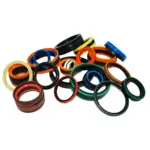
Not every hydraulic seal application in the UAE can be served by a standard catalogue item. Older European or American equipment may use non-metric bore and rod dimensions that do not correspond to standard ISO or DIN seal profiles. Custom-built machinery in UAE industrial facilities - food processing equipment, specialized press tooling, custom hydraulic actuators - may have non-standard groove dimensions that require a seal manufactured specifically for those dimensions. Offshore and oil and gas equipment in Abu Dhabi's ADNOC supply chain may require seals with full material certification, batch traceability, and compound specifications that standard commercial seals do not provide. In each of these situations, a custom seal - manufactured to your drawing, sample, or dimensional specification - is the correct solution.
How long does it take to get a custom hydraulic seal made to specific dimensions in the UAE - and is it more cost-effective to have the seal made locally in RAK or Sharjah versus importing a custom seal from a European manufacturer?
Local UAE custom seal production from a supplier with in-house manufacturing capability - such as rubber moulding or CNC machined PTFE turning - typically delivers in 3–10 working days for straightforward profiles. European or Asian import of a custom seal requires 3–8 weeks from order to delivery at a UAE warehouse, plus customs clearance. For emergency situations on active construction or production sites in Dubai or Abu Dhabi, local UAE custom production is both faster and economically comparable to importing - especially for smaller quantities where international shipping costs significantly inflate the per-seal cost. For large-volume requirements or very complex seal profiles with tight tolerances, imports from specialist European manufacturers (Germany, UK, Italy) are still commonly used for critical applications in the UAE oil and gas sector, but local supply should always be the first option investigated.
- What information is needed for custom seal production in UAE - the bore diameter, rod or shaft diameter, groove width, groove depth, and desired material compound. A sample of the original seal (even if damaged) is the most useful reference for a UAE custom seal supplier - they can reverse-engineer the profile and dimensions from the sample
- Custom O-rings - non-standard O-ring sizes can be produced in virtually any material (NBR, FKM, EPDM, silicone, PTFE) from custom tooling held by most UAE rubber suppliers - minimum quantities typically 10–50 pieces
- Custom PTFE seals - CNC-machined from rod stock - any profile possible in small quantities - commonly used for specialised valve seats, piston rings, and backup rings in UAE oil and gas applications
- Material certification for oil and gas - custom seals for ADNOC or international oil company supply chain applications in Abu Dhabi typically require compound certificates, batch traceability, hardness testing, and sometimes third-party inspection - confirm the UAE supplier's certification capability before placing the order
Supreme Rubber LLC (050 3435304) in Ras Al Khaimah, Azimuth Rubber and Mechanical Solutions LLC (050 2350190) in Abu Dhabi, and Al Zerwa Trading Company LLC (055 9951158) in Sharjah handle custom hydraulic seal enquiries - contact them with your dimensions, material requirement, quantity, and lead time to discuss local production feasibility.
Metric Hydraulic Seals, Standard Hydraulic Seal Sizes
Metric and Standard Hydraulic Seal Sizes Available in UAE - How to Measure Your Existing Seal, What the ISO and DIN Seal Standards Mean for UAE Buyers, and Where to Find the Full Range of Standard Metric and Imperial Hydraulic Seal Sizes in Dubai, Sharjah and Abu Dhabi - Silver Touch Trading LLC Sharjah, Spare Parts Networks LLC Dubai & Technical Equipment Company LLC Abu Dhabi
Hydraulic seals are sized by the metric or imperial dimensions of the groove they sit in - specifically the bore diameter (the inner diameter of the cylinder), the rod diameter (where a rod seal is concerned), the groove width, and the groove depth. The most widely used standard in the UAE and globally is the ISO 6195 standard for hydraulic cylinder seal groove dimensions - this defines specific groove widths and depths for each nominal bore and rod diameter, which means that any seal manufactured to this standard will correctly fit any groove manufactured to the same standard, regardless of which country the cylinder was built in. The UAE's industrial and construction fleet is predominantly European-specified (metric ISO/DIN) with a significant American equipment presence (inch-based NFPA standard) particularly for construction machinery and agricultural equipment from the USA.
If you have an old or damaged hydraulic seal that needs replacing and you do not have the original part number - what is the correct way to measure it so a supplier in Dubai or Sharjah can cross-reference the right replacement seal?
Three measurements define any hydraulic seal: the inner diameter (ID) - the diameter of the hole in the centre of the seal, the outer diameter (OD) - the outside diameter of the seal, and the height (H) - also called the cross-section or section height. For an O-ring, only two measurements are needed: the ID and the cross-section diameter. Always measure with digital callipers rather than a ruler - seal dimensions matter at the 0.1mm level and a ruler cannot provide this accuracy. If the seal is significantly distorted or damaged, measure the groove it came from instead - the groove ID corresponds to the seal OD, the groove depth corresponds approximately to the seal height, and the groove width gives the section width. Photograph the seal profile clearly and send to the supplier - an experienced UAE seal specialist can identify the seal standard from the profile shape and confirm dimensions from your measurements.
Standard Hydraulic Seal Size Ranges Available in UAE
| Seal Type | Standard Size Range (Bore / Rod Diameter) | Standard Applied | Availability in UAE |
|---|---|---|---|
| Piston seal (metric) | 20mm to 500mm bore diameter | ISO 6195 / DIN 3760 | Stock items - most UAE suppliers carry 30–250mm range; 250–500mm typically from stock or short lead time |
| Rod seal (metric) | 10mm to 300mm rod diameter | ISO 6195 / DIN 3761 | Stock items - 12–200mm range widely available from Dubai, Sharjah and Abu Dhabi suppliers |
| Wiper seal (metric) | 10mm to 300mm rod diameter | ISO 6195 / DIN 3761 | Same range as rod seals - typically same stock locations |
| O-rings (metric) | 1mm to 500mm ID - cross-sections 1mm to 10mm | ISO 3601 - metric; BS1806 - imperial | Extremely wide stock range - most UAE suppliers have 100–500 metric and imperial O-ring sizes in NBR, FKM, EPDM, silicone |
| Piston and rod seals (imperial / NFPA) | 1 inch to 12 inch bore and rod | NFPA / SAE - common for American equipment (Caterpillar, John Deere, Parker, Eaton) | Good availability in Dubai and Abu Dhabi - suppliers who serve Caterpillar and American brand equipment stock these as standard |
Silver Touch Trading LLC (052 7162117) in Sharjah, Spare Parts Networks LLC (04 2276613) in Dubai, and Technical Equipment Company LLC (056 4229111) in Abu Dhabi stock standard metric and imperial hydraulic seal sizes - contact them with your measured dimensions and they can identify the standard size and confirm availability.
Hydraulic Seal Manufacturers, Hydraulic Seal Materials
Leading Hydraulic Seal Brands Available in UAE and How to Choose the Right Seal Material for Your Application - Parker, Trelleborg, SKF, NOK, Hallite, Freudenberg and Other Trusted Brands in the UAE Market, and a Plain-Language Guide to NBR, PU, FKM, PTFE and EPDM Seal Materials for UAE Buyers - Al Haj Ghaddar Trading Establishment Abu Dhabi, Power Seals Machinery Spare Parts Trading LLC Dubai & Inmarco FZC Sharjah
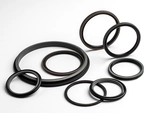
The global hydraulic seal manufacturing industry is dominated by a small number of major brands whose products are widely used and respected across all industrial sectors. In the UAE, these brands are available through authorised distributors and trading companies across Dubai, Abu Dhabi, and Sharjah. Alongside the premium brands, a range of quality Asian-manufactured seals (Japanese, Korean, and Taiwanese origin) offer good performance at more competitive prices - and are widely used by UAE workshops, contractors, and maintenance teams where the equipment application does not require the full specification of a premium European seal. Understanding the brand landscape and how it relates to material and performance helps UAE buyers make cost-effective purchasing decisions rather than defaulting to either the most expensive brand available or the cheapest option that may not perform adequately.
Does it actually matter which brand of hydraulic seal a UAE maintenance team uses for a standard excavator or crane cylinder - or is a standard-grade seal from any reputable manufacturer functionally equivalent for most construction applications?
For standard mobile construction equipment operating within normal parameters in the UAE - a Komatsu excavator on a Dubai construction site, a Liebherr crane in Abu Dhabi, a Volvo tipper truck on an Abu Dhabi road project - a quality seal from any reputable manufacturer (European or quality Asian-origin) running the correct material compound for UAE conditions will perform adequately. The brand distinction matters most in critical applications: oil and gas equipment where full material traceability is required; very high pressure systems above 350 bar; applications involving non-standard hydraulic fluids; and equipment where downtime costs are very high and extended seal service life justifies a premium product. For standard construction equipment maintenance, the most important factors are material compound (PU or FKM rather than NBR for UAE summer conditions) and dimensional accuracy - not necessarily brand name.
Hydraulic Seal Materials - Plain Language Guide for UAE Buyers
| Material | Common Name | Key Properties | UAE Use Recommendation |
|---|---|---|---|
| NBR | Nitrile rubber | Good mineral oil compatibility, moderate temperature range (-30°C to +80°C), economical | Light to moderate duty, low-cycle applications, workshop equipment - not for UAE summer heavy-duty continuous use |
| PU | Polyurethane | Excellent abrasion resistance, good pressure resistance (-30°C to +100°C), widely used in mobile hydraulics | Best general-purpose choice for UAE construction and mobile equipment - outperforms NBR in summer conditions |
| FKM | Viton / fluorocarbon | Excellent temperature resistance (-20°C to +200°C), chemical resistance, premium material | Oil and gas, continuous heavy-duty UAE applications, chemically aggressive fluids - premium cost justified |
| PTFE | Teflon | Very wide temperature range (-60°C to +260°C), chemically inert, very low friction - requires energiser | High-pressure industrial, precision hydraulics, ADNOC process equipment - excellent for UAE extreme conditions |
| EPDM | Ethylene propylene | Excellent heat and weather resistance - but incompatible with petroleum-based hydraulic oil | Water-glycol or phosphate ester hydraulic fluids only - do not use with mineral oil |
| Silicone | Silicone rubber | Very wide temperature range, low compression set - but low mechanical strength | Static O-ring applications only in hydraulics - not for dynamic sealing under pressure due to low strength |
Al Haj Ghaddar Trading Establishment (02 5554235) in Abu Dhabi, Power Seals Machinery Spare Parts Trading LLC (04 3383049) in Dubai, and Inmarco FZC (050 5734688) in Sharjah supply seals from major international brands including Parker, Trelleborg, NOK, SKF, and Hallite - contact them to discuss brand options and material specification for your application.
Hydraulic Seal Applications
Where Hydraulic Seals Are Used Across UAE Industries - Construction, Oil and Gas, Marine, Agriculture, Material Handling, Food Processing and Infrastructure Applications in Dubai, Abu Dhabi, Sharjah and Fujairah - Al Andlaib Auto Spare Parts Trading LLC Sharjah, Omega Bearing Ajman & Smart Industrial Equipment LLC Abu Dhabi
Hydraulic seals are in virtually every piece of industrial and mobile equipment operating across the UAE. If it lifts, pushes, clamps, steers, or controls movement using fluid power, it almost certainly has hydraulic seals somewhere in the system. The breadth of applications in the UAE's economically diverse industrial landscape - from construction to oil production, from food manufacturing to port operations - means that hydraulic seal suppliers across Dubai, Abu Dhabi, and Sharjah need to maintain wide stock ranges across multiple material compounds, pressure ratings, and size classes to serve their industrial customer base efficiently.
Hydraulic Seal Applications Across UAE Industries
| Industry | UAE Location | Equipment Using Hydraulic Seals | Primary Seal Requirement |
|---|---|---|---|
| Construction | Dubai, Abu Dhabi, Sharjah active sites | Excavators, bulldozers, cranes, concrete pumps, piling rigs, graders | High temperature PU or FKM, heavy-duty wiper, high-pressure rating |
| Oil and gas | Abu Dhabi (ADNOC fields, offshore, Mussafah) | Wellhead control panels, BOP systems, valve actuators, subsea equipment | FKM or HNBR for chemical compatibility, material certification, NACE compliance |
| Marine and port | Jebel Ali, Khalifa Port, Fujairah Port, RAK Port | Ship cranes, container handlers, anchor winches, vessel steering gear, harbour tugs | Saltwater-resistant compounds, FKM preferred, corrosion-resistant hardware |
| Manufacturing | Sharjah industrial zones (Sajaa, SAIF, Hamriyah), Ajman industrial area | Hydraulic presses, injection moulding machines, metal forming equipment, automated assembly fixtures | High-cycle-rate PU or PTFE seals, high-pressure backup rings |
| Material handling and logistics | Jebel Ali logistics zone, Dubai Industrial City, Al Maktoum area | Forklifts, reach stackers, pallet jacks, dock levellers, warehouse automation | Standard to medium pressure PU seals - wide size range stocking important for fleet maintenance |
| Food and beverage | Dubai food production zones, Abu Dhabi food factories | Food processing presses, filling machines, mixing equipment, packaging automation | FDA-approved food-safe compounds - EPDM or FDA-grade FKM where food contact possible |
Al Andlaib Auto Spare Parts Trading LLC (06 5391120) in Sharjah, Omega Bearing (056 2226658) in Ajman, and Smart Industrial Equipment LLC (050 7305073) in Abu Dhabi serve multiple UAE industry sectors - contact them with your industry type and application for sector-appropriate seal recommendations.
Hydraulic Seal Dealers Near Me UAE
How to Find a Hydraulic Seal Dealer Near You in Dubai, Abu Dhabi, Sharjah, Ajman and Ras Al Khaimah - Where the Main Industrial Supply Clusters Are, How to Check Stock Before Visiting, and Which Dealers Serve Emergency Same-Day Requirements for UAE Maintenance Teams - HoseXpress Middle East LLC Dubai, Spare Parts Networks LLC Dubai & Al Haj Ghaddar Trading Establishment Abu Dhabi
When hydraulic equipment fails on an active construction site in Dubai or a production line in Sharjah's Sajaa zone, finding the right seal quickly is the priority. UAE hydraulic seal dealers are concentrated in the major industrial supply zones of each emirate - Mussafah in Abu Dhabi, Al Quoz and Ras Al Khor in Dubai, Sajaa and Hamriyah in Sharjah, and the Ajman Industrial Area - and calling ahead to confirm stock before driving is always faster than making multiple visits to dealers who turn out not to carry the specific size needed.
What is the most efficient way to source an emergency hydraulic seal replacement in Dubai or Abu Dhabi on the same day when a piece of critical equipment has gone down on site - and what information should you have ready when calling a dealer?
Have four pieces of information ready before calling: the cylinder bore diameter, the rod diameter, the seal type needed (piston, rod, or wiper), and the seal material preference (NBR, PU, or FKM). If you have the old seal, photograph both faces and the profile edge and send via WhatsApp to the dealer before calling - this allows visual confirmation of the seal type alongside the dimensional information. Most UAE industrial seal dealers in Al Quoz, Mussafah, and Sajaa Industrial Area have experienced counter staff who can identify the seal and check stock in minutes over the phone. If the first dealer does not have the size in stock, ask them who does - dealers in industrial zones know each other's stock profiles and can often refer you directly to a nearby supplier who has the item.
Nearest Hydraulic Seal Dealer Location by Your UAE Emirate
| Your Location | Nearest Supply Zone | Approx. Drive Time | Dealers in This Guide |
|---|---|---|---|
| Dubai (Al Quoz, Jebel Ali, DIC) | Al Quoz Industrial Area | 5–20 minutes within Dubai | Power Seals (04 3383049), HoseXpress (055 7769487), Spare Parts Networks (04 2276613) |
| Abu Dhabi (city, Mussafah, ICAD) | Mussafah Industrial Zone | 15–30 minutes from Abu Dhabi city | Master Mechanical (050 3355250), Powerflow (056 7356711), Azimuth (050 2350190), Smart Industrial (050 7305073), Technical Equipment (056 4229111), Al Haj Ghaddar (02 5554235) |
| Sharjah (Sajaa, SAIF, Hamriyah) | Sajaa Industrial Area / Hamriyah | 10–25 minutes from Sharjah city | Fluid Tech (056 1211609), Al Andlaib (06 5391120), Inmarco (050 5734688), Al Zerwa (055 9951158), Silver Touch (052 7162117) |
| Ajman | Ajman Industrial Area | 10–15 minutes within Ajman | Omega Bearing (056 2226658) - Sharjah Sajaa 20–25 minutes as alternative |
| Ras Al Khaimah | RAK Industrial Area | 10–20 minutes within RAK | Supreme Rubber (050 3435304) - Sharjah Sajaa 45–60 minutes as alternative for wider range |
HoseXpress Middle East LLC (055 7769487) and Spare Parts Networks LLC (04 2276613) in Dubai, and Al Haj Ghaddar Trading Establishment (02 5554235) in Abu Dhabi handle emergency and same-day seal requirements - call them with your measurements and send a WhatsApp photo to confirm stock before making the trip.
Hydraulic Seal Leakage Solutions, Why Hydraulic Seals Fail
Diagnosing and Solving Hydraulic Seal Leakage in UAE - The Most Common Causes of Hydraulic Seal Failure in the UAE's Climate, How to Tell Whether the Problem Is the Seal or Something Else, and What the Correct Long-Term Fix Is for Each Failure Mode - Powerflow Hydraulic Maintenance and Services LLC Abu Dhabi, Azimuth Rubber and Mechanical Solutions LLC Abu Dhabi & Fluid Tech Hydraulic Hoses Tr LLC Sharjah
Hydraulic seal leakage is the most visible and most frequently reported hydraulic system problem across UAE industrial and construction sites. An oil film on a hydraulic rod, a pool of hydraulic fluid under a machine, or a cylinder that won't hold its position are all symptoms that immediately point to seal failure - but the leakage visible outside the cylinder is the symptom, not the root cause. Simply replacing the seal that is leaking without understanding why it failed is the fastest way to repeat the same repair within a few months at the same labour cost. Understanding the actual failure mechanisms allows maintenance teams in Dubai, Abu Dhabi, and Sharjah to address the root cause alongside the seal replacement - and achieve significantly longer service life from the new seals.
Is hydraulic seal failure always visible as an external oil leak - or can a seal fail internally in a way that causes operational problems without any visible leakage outside the cylinder?
Yes - piston seal failure is specifically an internal failure that produces no external visible leak. When the piston seal bypasses, hydraulic fluid moves from the high-pressure side of the piston to the low-pressure side, inside the sealed cylinder. No oil exits the cylinder externally - but the cylinder loses its ability to develop and hold force. The symptoms are: cylinder drifts under load (slowly lowers a load that should be held in position), reduced speed of extension or retraction under heavy load, and loss of system pressure when the cylinder is at full extension. These symptoms are often misdiagnosed as pump problems or valve problems, leading to expensive unnecessary component replacements, when the actual fault is a worn piston seal that requires cylinder disassembly to diagnose correctly.
Hydraulic Seal Failure Causes - UAE-Specific Diagnosis Guide
| Failure Cause | How to Identify on Inspection | UAE Prevalence | Correct Fix |
|---|---|---|---|
| Thermal hardening / heat degradation | Seal is hard, brittle, cracked - no longer flexible - lip profile may have taken a permanent set and lost its sealing contact force | Very high - UAE summer operating temperatures regularly exceed NBR's rated range | Replace with PU or FKM seal rated for UAE summer conditions - address hydraulic fluid cooling if temperatures are consistently above 90°C |
| Abrasive contamination damage | Seal surface shows scratches or wear grooves - corresponding scratches visible on rod chrome surface - wiper seal found to be worn or missing | Very high - UAE desert silica dust is highly abrasive and enters through worn wiper seals | Replace wiper seal with heavy-duty type simultaneously with rod seal - inspect and repair rod chrome surface if scratched |
| Extrusion (pressure overload) | Seal material has been squeezed into the groove gap - visible as a lip of rubber extruded out of the groove - typically at the gap between piston and bore | Moderate - occurs when standard seals are used in high-pressure circuits without backup rings | Replace with correct-rated seal and add backup rings - investigate if system pressure exceeds seal rating due to valve malfunction |
| Incorrect installation damage | Cut or rolled lip - seal was installed correctly visually but a portion of the sealing lip was caught during assembly | Common - many UAE workshop cylinder repairs are done without correct installation tooling | Replace with correct seal and use proper installation sleeve over the rod thread - never force a seal lip over an unprotected thread |
| Chemical incompatibility | Seal is swollen, spongy, or dissolved - material has been attacked by the hydraulic fluid chemistry | Less common - occurs when wrong seal material is used (e.g. NBR in a phosphate ester fluid circuit) or fluid is heavily contaminated | Identify fluid type and specify compatible seal material - change fluid if contaminated beyond specification |
| Rod surface damage | New seals also leak - rod surface is scored, pitted, or corroded creating leak paths that no seal can bridge | Common in equipment that has been running with wiper seal failure in UAE dust conditions | Rod requires re-chroming and grinding to Ra 0.2–0.4 µm surface finish - no seal will work reliably against a damaged rod surface |
Powerflow Hydraulic Maintenance and Services LLC (056 7356711) and Azimuth Rubber and Mechanical Solutions LLC (050 2350190) in Abu Dhabi, and Fluid Tech Hydraulic Hoses Tr LLC (056 1211609) in Sharjah can assist with hydraulic seal failure diagnosis - contact them to discuss your specific failure symptoms and get a root-cause-based repair recommendation.
How to Choose Hydraulic Seals, Hydraulic Seal Wear and Tear Causes
A Practical Guide to Choosing the Right Hydraulic Seal for UAE Applications - How to Match Seal Type, Material, and Pressure Rating to Your Specific Equipment and Operating Conditions in Dubai, Abu Dhabi or Sharjah, and What Causes Progressive Seal Wear in UAE Working Conditions - Al Zerwa Trading Company LLC Sharjah, Spare Parts Networks LLC Dubai & Master Mechanical Equipment LLC Abu Dhabi
Choosing the right hydraulic seal for a UAE application is a five-step process. Each step eliminates wrong options and narrows the field to the correct product. Skipping steps - for example, choosing by price alone or by what a general supplier happens to have in stock - results in seals that technically fit the groove but underperform in service and fail prematurely. The five steps are: identify the seal function (piston, rod, or wiper), determine the bore and rod dimensions, establish the operating pressure, establish the fluid temperature range, and confirm the hydraulic fluid type. With these five data points, any experienced UAE hydraulic seal supplier can recommend the correct seal specification with confidence.
What is the single most common mistake UAE maintenance teams make when selecting hydraulic seals for construction or industrial equipment - and how does this mistake translate into shortened seal life and recurring repair costs?
The most common mistake is choosing by dimension alone while defaulting to the cheapest available material (usually standard NBR) without considering the operating temperature. A UAE maintenance team that replaces an excavator rod seal with an NBR seal because it fits the rod diameter and is the cheapest option in the Mussafah or Sajaa market will typically find the seal failing within 3–6 months in summer - not because the seal was counterfeit or the wrong profile, but because NBR at 90°C hydraulic fluid temperature hardens and cracks within months rather than years. The same seal job done with a PU or FKM seal costs AED 30–100 more per seal but lasts 3–5 times longer in UAE summer conditions - making it dramatically cheaper per year of service life. The second most common mistake is replacing only the failed seal rather than the complete seal kit - guaranteeing a repeat cylinder disassembly within months when the adjacent seals, running the same operating hours, follow the leading seal to failure.
Five-Step Hydraulic Seal Selection Process for UAE Applications
| Step | What to Determine | How to Find This Information | UAE-Specific Note |
|---|---|---|---|
| 1 - Function | Is this a piston seal, rod seal, wiper, or guide ring? | From the old seal profile, cylinder drawing, or supplier reference | Always replace complete kit in UAE - do not replace single function only |
| 2 - Dimensions | Bore diameter, rod diameter, groove width and depth | Digital callipers on old seal or groove - or equipment service manual | Measure to 0.1mm - seal groove dimensions are critical at this precision |
| 3 - Pressure | System operating pressure and peak pressure | Equipment service manual hydraulic specifications page | Above 200 bar - backup rings mandatory. Above 300 bar - PU or PTFE primary seals |
| 4 - Temperature | Maximum hydraulic fluid temperature in operation | Hydraulic fluid temperature gauge in circuit - or assume 90–110°C for UAE heavy-duty summer use | For UAE summer heavy-duty use - assume PU minimum, FKM preferred for continuous high-load |
| 5 - Fluid type | Is the hydraulic fluid mineral oil, water-glycol, phosphate ester, or other? | Fluid type label on reservoir or hydraulic fluid specification sheet | Almost all UAE construction equipment uses mineral oil - NBR, PU, FKM all compatible. Non-mineral fluid requires specific compatibility check |
Al Zerwa Trading Company LLC (055 9951158) in Sharjah, Spare Parts Networks LLC (04 2276613) in Dubai, and Master Mechanical Equipment LLC (050 3355250) in Abu Dhabi can guide you through the five-step selection process - contact them with your application details for a recommendation that matches UAE operating conditions.
Best Seals for High Pressure Hydraulics, Hydraulic Cylinder Seal Failure Reasons
Top-Performing Seals for High-Pressure Hydraulic Systems in UAE - What PTFE and Polyurethane High-Pressure Seals Offer That Standard Rubber Cannot Deliver, and the Complete List of Reasons Hydraulic Cylinder Seals Fail Prematurely in UAE Construction and Industrial Equipment - Silver Touch Trading LLC Sharjah, Technical Equipment Company LLC Abu Dhabi & Omega Bearing Ajman
High-pressure hydraulic systems in the UAE - operating above 250 bar in construction cranes, industrial presses in Sharjah's manufacturing zone, drilling equipment in Abu Dhabi's oil fields, and port crane systems at Jebel Ali - require seals that can sustain a fluid-tight barrier under conditions that push standard rubber compounds to and beyond their physical limits. The best performing seals for high-pressure UAE hydraulics are composite seals combining a PTFE sliding element with a rubber energiser, and premium polyurethane seals in higher-shore-hardness compounds specifically formulated for high-cycle, high-pressure service.
In a high-pressure hydraulic system on a Jebel Ali port crane or an Abu Dhabi drilling rig, what is the most reliable seal configuration - and why does the specific combination of primary seal, backup ring, and guide ring matter more than just the primary seal material alone?
In a high-pressure system above 300 bar, the primary seal alone - however good the material - will extrude into the radial gap between the piston and bore wall unless it is physically supported. This is why the complete sealing system matters: the PTFE or PU primary seal provides the fluid barrier, the backup rings on each side of the primary seal physically block the gap the primary seal would otherwise extrude into, and the guide ring keeps the piston accurately centred in the bore so the radial gap remains uniform and the backup rings are not overloaded at one side. Remove any of these three components and the system fails faster, even if the remaining components are premium grade. In UAE oil and gas applications and heavy industrial presses, this complete sealing system is standard specification - not an optional upgrade.
- Top seal for high-pressure mobile hydraulics (200–350 bar) - Composite step seal with PTFE sliding ring and NBR or PU energiser, with PTFE backup rings. This combination is used in virtually all European construction equipment (Liebherr, Putzmeister, Schwing, Liebherr) and performs excellently in UAE summer conditions.
- Top seal for high-pressure industrial presses (300–400 bar) - T-seal with solid PTFE body and rubber backup, combined with hard bronze-filled PTFE guide rings. This configuration dominates high-cycle industrial press applications in Sharjah and Ajman manufacturing.
- Top seal for oil and gas hydraulic applications - Abu Dhabi - FKM primary seal with PTFE backup rings, FKM O-ring port seals. Full material certification required for ADNOC supply chain. HNBR (hydrogenated nitrile) for applications where H2S exposure is possible.
- Top wiper seal for high-dust UAE sites - Metal-cased double-lip polyurethane wiper. The metal case provides rigid retention in the groove under the strong return forces generated by heavy dust accumulation on the rod; the double lip provides redundancy - the outer lip scrapes the majority of the contamination, the inner lip cleans what the outer misses.
Silver Touch Trading LLC (052 7162117) in Sharjah, Technical Equipment Company LLC (056 4229111) in Abu Dhabi, and Omega Bearing (056 2226658) in Ajman supply high-pressure rated hydraulic seals - contact them with your system pressure, bore and rod dimensions, and fluid type for a high-pressure seal specification recommendation.
How to Replace Hydraulic Seals, Hydraulic Seal Installation Guide
Step-by-Step Hydraulic Seal Replacement and Installation Guide for UAE Maintenance Teams - How to Disassemble a Hydraulic Cylinder, Inspect Components, Install New Seals Without Damaging Them, and Reassemble Correctly for Equipment Used on Dubai Construction Sites and Abu Dhabi Industrial Facilities - Power Seals Machinery Spare Parts Trading LLC Dubai, Powerflow Hydraulic Maintenance and Services LLC Abu Dhabi & Supreme Rubber LLC RAK
Replacing hydraulic seals is a precision job - not because the mechanical steps are complicated, but because small mistakes during installation consistently cause the new seals to fail early or immediately. A seal lip that is cut by a sharp thread during installation, a piston seal that is twisted in the groove, or a guide ring that is cracked from forcing it over a wide diameter - these installation errors are more common in UAE workshop environments than most maintenance teams realise, and they account for a significant proportion of repeat cylinder failures that appear within weeks of a rebuild. Following a correct installation sequence prevents these failures entirely.
What is the most critical step in a hydraulic seal installation that most UAE workshops skip - and what is the consequence of skipping it?
The most consistently skipped step is the installation of a seal guide sleeve over the rod thread and any sharp edges before sliding the rod seal and wiper seal over the rod. Hydraulic rod threads are cut threads with sharp edges. As the rod seal is pushed over an unprotected thread, there is a high probability that the seal lip catches on a thread crest and is cut or notched - creating an immediate small leak path. A smooth metal or rigid plastic installation sleeve slides over the rod end and covers the thread, presenting a smooth taper for the seal to ride over without contact with the thread. These sleeves cost almost nothing and take seconds to use - but they are routinely not in the tool kit of UAE workshop mechanics who have never been shown the technique or who work quickly under production pressure. The consequence of skipping this step is a new rod seal that leaks from the first pressurisation - and a cylinder rebuild job that must be repeated at full labour cost.
Hydraulic Seal Replacement - Step-by-Step Installation Guide
| Step | Action | Critical Detail |
|---|---|---|
| 1 | Depressurise the system completely | Cycle the hydraulic control lever to release stored pressure after pump shutdown - do not assume the system is at zero pressure just because the pump is off |
| 2 | Retract the cylinder fully and disconnect from machine | Support the cylinder weight during pin removal - cylinders are heavy and a dropped cylinder on a Dubai or Abu Dhabi site creates injury risk |
| 3 | Remove hydraulic hoses and cap ports | Cap all ports immediately - UAE construction site dust will contaminate open hydraulic ports in minutes and introduce abrasive particulate into the system |
| 4 | Disassemble cylinder - remove gland / cylinder head | Use correct spanner - improvised tools damage gland threads. Clean all exterior surfaces before opening to prevent dirt ingress during disassembly |
| 5 | Remove piston and rod assembly | Support rod horizontally - do not drag the rod end across the bore edge as the bore edge will damage the seal grooves on the piston |
| 6 | Inspect all components before fitting new seals | Inspect rod chrome surface for scratches - if scratched, new seals will leak on the first pressurisation. Inspect bore wall for scoring. Inspect piston and gland for groove damage. Do not fit new seals to damaged metal components. |
| 7 | Clean all grooves and surfaces | Clean hydraulic oil in UAE desert conditions carries abrasive silica particles - flush all internal surfaces with clean filtered hydraulic fluid before fitting new seals |
| 8 | Fit piston seals and guide rings | Lubricate seals with clean hydraulic fluid before fitting - never fit dry. Confirm piston seal is not twisted in the groove - run a finger around the full circumference after fitting to confirm it seats evenly all the way round |
| 9 | Fit rod seal and wiper to gland | Confirm seal lip direction is correct - rod seal lip must face inward (toward fluid side), wiper lip must face outward (toward rod end). Reversed seals are a common workshop error. |
| 10 | Reassemble - use installation sleeve for rod entry | Fit installation sleeve over rod thread before sliding gland assembly onto rod - this prevents lip damage from thread contact. Tighten gland to manufacturer torque specification. |
| 11 | Reconnect hoses and pressurise slowly | Cycle the cylinder slowly 3–5 times at low pressure before applying full system pressure - this allows seals to seat evenly and confirms no immediate leak before the cylinder is reinstalled in the machine |
Power Seals Machinery Spare Parts Trading LLC (04 3383049) in Dubai, Powerflow Hydraulic Maintenance and Services LLC (056 7356711) in Abu Dhabi, and Supreme Rubber LLC (050 3435304) in Ras Al Khaimah supply seal kits and can advise on installation tooling requirements for your specific cylinder type.
When to Replace Hydraulic Seals, Difference Between Rod Seal and Piston Seal
How to Know When Hydraulic Seals Need Replacing Before They Fail - Preventive vs Reactive Seal Replacement in UAE Equipment Maintenance, and a Clear Explanation of the Functional Difference Between a Rod Seal and a Piston Seal for Buyers and Maintenance Teams in Dubai, Abu Dhabi and Sharjah - Al Haj Ghaddar Trading Establishment Abu Dhabi, Inmarco FZC Sharjah & HoseXpress Middle East LLC Dubai
Hydraulic seal replacement in UAE equipment maintenance tends to fall into two approaches - reactive (replace when the seal fails and the cylinder leaks or loses function) and preventive (replace on a scheduled basis before failure). Reactive replacement is common in smaller UAE workshops and with individual machine owners, and it works, but it carries the costs of unexpected downtime, emergency parts sourcing, and the occasional secondary damage that results when a failing seal allows contamination into the system or when a leaking cylinder is used in a degraded condition. Preventive replacement is standard practice in larger UAE construction companies, logistics operators, and oil and gas companies where equipment downtime has direct revenue impact - seals are replaced at defined intervals regardless of visible condition, as part of scheduled maintenance cycles that also address other wear items.
What are the early warning signs that hydraulic cylinder seals are approaching the end of their service life in UAE equipment - and how long before actual failure do these signs typically appear?
Three early warning signs consistently appear 4–12 weeks before catastrophic seal failure in UAE hydraulic equipment. First, a fine oil mist or very light oil film on the rod that appears after extended operation but is not present when the cylinder is cold - this indicates the rod seal is beginning to lose its sealing force as it heats and the lip profile relaxes. Second, a very slow drift of the cylinder from a held position under load - barely noticeable at first, progressing to obvious drift within weeks - indicating the piston seal is beginning to bypass. Third, slightly reduced force or speed on one direction of a double-acting cylinder - the piston seal is bypassing in the direction producing the weaker output. Catching these signs early and scheduling a planned seal replacement is significantly cheaper than waiting for full failure - particularly for equipment on active construction sites in Dubai or Abu Dhabi where an unplanned breakdown disrupts project scheduling.
Rod Seal vs Piston Seal - Clear Explanation of the Difference
| Feature | Rod Seal | Piston Seal |
|---|---|---|
| Location | Inside the cylinder head (gland) - around the rod where it exits the cylinder | Around the piston - inside the cylinder barrel |
| What it seals against | Seals against the rod surface - prevents fluid leaking out along the rod to the outside world | Seals against the cylinder bore wall - prevents fluid bypassing from one side of the piston to the other |
| Failure symptom | Visible external oil leak - oil film on the rod, oil dripping from the cylinder head | No visible external leak - cylinder drifts under load, loses force, or is sluggish in one direction |
| Diagnosis method | Visual inspection - oil on the rod is unmistakable | Requires cylinder isolation test - block supply and return lines and observe if cylinder holds position under load |
| Environmental exposure | Works alongside the wiper seal - highly exposed to UAE dust, heat, and mechanical impact damage on the rod | Fully enclosed inside the cylinder - protected from external contamination but exposed to high internal pressure cycling and fluid temperature |
| Most common UAE failure cause | Abrasive UAE dust damage to rod surface after wiper seal wear - scored rod prevents effective sealing | Thermal hardening and loss of elasticity from UAE summer heat - NBR seals in particular harden and crack |
| Preventive replacement interval in UAE | Every 2,000–3,000 operating hours for heavy construction equipment in UAE summer - more frequently if wiper seal condition is not monitored | Every 3,000–5,000 operating hours - or sooner if fluid temperature consistently above 90°C |
Al Haj Ghaddar Trading Establishment (02 5554235) in Abu Dhabi, Inmarco FZC (050 5734688) in Sharjah, and HoseXpress Middle East LLC (055 7769487) in Dubai supply complete seal kits for preventive maintenance programmes - contact them to discuss scheduled seal replacement intervals and kit stocking arrangements for UAE fleet and facility maintenance teams.
Hydraulic Seals Companies in UAE
- Master Mechanical Equipment LLC, Abu Dhabi, Contact: 02-5553534
- Power Seals Machinery Spare Parts Trading LLC, Dubai, Contact: 04-3383049
- Al Zerwa Trading Co LLC, Sharjah, Contact: 06-5340550
- Powerflow Hydraulic Maintenance and Services LLC, Abu Dhabi, Contact:
- Omega Bearings, Ajman, Contact: 056-2226659
- Azimuth Rubber and Mechanical Solutions LLC, Abu Dhabi, Contact:
- Smart Industrial Equipment LLC, Abu Dhabi, Contact: 02-5555327
- Technical Equipment Company LLC, Abu Dhabi, Contact: 054-5728108
- Master Mechanical Equipment LLC, Abu Dhabi, Contact: 02-5553534
- Supreme Rubber LLC, Ras Al Khaimah, Contact: 07-2432780
Featured Companies
DANA Group is UAE Head Quartered Industrial Conglomerate, Our industrial divisions are :-
1)DANA Steel- Steel Coils Manufacturing -GI/AZ/PPGI/PPAZ/PPAL | Roofing Sheets , Sandwich Panels , Fencing , Steel Drums and Barrels, Galvanized GI Pipes, Dry Wall Partitioning Systems Stud, Tracks, Furring Channel
2)DANA HVAC Solutions - Domestic & Industrial Water Chillers , Drinking Water Coolers, Cold Room Solutions, Heat Pumps
3)DANA Oil & Petrochemicals - Lubricants , Greases , Base Oil & Petrochemicals
For more details:
whatsapp: 04-2217273
 Art Smiley business serves the needs of Hospitality, Real estate, Property developers, Interior Designers & Corporates by offering customized Canvas & UV printing services, Scanning, Framing, Royal portraits, Sculptures, Wall murals, and Graffiti art services.
www.artsmleybiz.com
email [email protected]
0565005825
Phone: 043236729
Art Smiley business serves the needs of Hospitality, Real estate, Property developers, Interior Designers & Corporates by offering customized Canvas & UV printing services, Scanning, Framing, Royal portraits, Sculptures, Wall murals, and Graffiti art services.
www.artsmleybiz.com
email [email protected]
0565005825
Phone: 043236729 We, at Ruwais Steel are a leading high-capacity mill of products like MS ANGLES, C CHANNELS, I BEAMS, STRUCTURAL STEEL, CABLE TRAYS, CABLE MANAGEMENT SYSTEMS and LINTELS
Contact: 056-5221216
E-Mail : [email protected]
We, at Ruwais Steel are a leading high-capacity mill of products like MS ANGLES, C CHANNELS, I BEAMS, STRUCTURAL STEEL, CABLE TRAYS, CABLE MANAGEMENT SYSTEMS and LINTELS
Contact: 056-5221216
E-Mail : [email protected]