
Hydraulic Hoses And Fittings In UAE | High Pressure Hydraulic Hose & Industrial Fittings

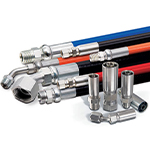
Ensure reliable and leak-free hydraulic systems with our premium hoses and fittings. Our range includes options for various industries and application...
Location : Shop 13,14,15,16, Plot No: 31, Mussafah Industrial Area- M9
Phone :  02 55...02 5553534
Mobile :  050 3... 050 3355250


 Send Enquiry
Supplier of Lay Flat Hoses, PVC Suction & Discharge Hoses, NYLEX Nylon Braided Hoses, Butterfly Valves, Gate Valves, Globe Valves, Ball Valves, Camloc...
Location : Near Alauddin Containers, Ras Al Khor Indl Area, Al Aweer
Phone : 04 33...04 3338031

Location : Near Al Ghazal Transport, M40, Mussafah Industrial Area
Mobile : 050 2... 050 2350190, 054 7054 7935585



Location : Block 18, Street 2, Industrial Area 15
Phone : 04 39...04 3943277
Mobile : 050 7... 050 7215409


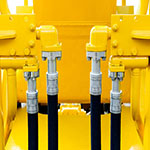
Hydraulic Hoses and Fittings are vital for transferring pressurized fluids in construction, oilfield, marine, and heavy equipment operations. Pneumics...

Location : ICAD 3, Musaffah
Phone : 02 66...02 6653335
Mobile : 055 3... 055 3905042, 056 5056 5343979
Location : Shop No.05, Plot M16, Mussafah
Phone : 02 44...02 4429031
Mobile : 052 5... 052 5681832, 052 1052 1323096


Location : I CAD 3, Musaffah
Phone : 054 5...054 5728108
Mobile : 050 2... 050 2819385

Location : Shop 13,14,15,16, Plot No: 31, Mussafah Industrial Area- M9
Phone : 02 55...02 5553534
Mobile : 050 3... 050 3355250

Location : 2nd Floor, Zulekha Colonnade, 304, Al Qusais Industrial Area 4
Mobile : 052 9... 052 9371482, 050 1050 1005408

Location : Office # 301, Opp DCC, Life Pharmacy Building, Al Qusais
Phone : 04 54...04 5464154
Mobile : 052 2... 052 2477942

Location : Office 209, Al Husn Tower 1, King Faisal Road
Phone : 06 52...06 5236042
Mobile : 050 7... 050 7091581, 055 2055 2967940

Location : Al Jurf Industrial Area 2
Phone : 06 70...06 7049500
Mobile : 052 7... 052 7200345, 055 6055 6571299

Location : Umm Al Thuoob, New Industrial Area
Mobile : 058 8... 058 8530071, 056 9056 9705025
About Hydraulic Hoses And Fittings Suppliers
Hydraulic Hoses & Fittings in UAE | Suppliers, Types, Specs & Industrial Solutions in Dubai, Abu Dhabi & Sharjah
A hydraulic hose failure doesn't announce itself. One moment a construction crane is lifting steel on a Dubai tower, a bulldozer is grading desert ground in Abu Dhabi, or a press machine is stamping parts in a Sharjah factory. The next moment, a burst hose, a pressurized fluid spray, an equipment shutdown, and a very expensive repair bill. In industries where hydraulic power moves everything, the hose that carries that power is the most maintenance-critical component in the system.
The UAE's construction boom, thriving oil and gas sector, and growing manufacturing base mean that demand for quality hydraulic hoses and fittings has never been higher. Whether you're an equipment maintenance manager in Abu Dhabi, a procurement engineer in Dubai, or a workshop owner in Sharjah - this guide gives you everything you need: hose types, pressure ratings, fitting standards, specifications, and the right local supplier.
Hydraulic Hoses in UAE
What Is a Hydraulic Hose and Why Does the UAE's Construction, Oilfield & Industrial Sector Depend on the Right Hose Specification?
A hydraulic hose is a high-pressure flexible conduit that transmits hydraulic fluid between components in a hydraulic system - from pump to cylinder, from valve to motor, from reservoir to actuator. It's engineered to flex under movement, absorb vibration, withstand extreme pressure, and resist the chemical attack of hydraulic fluids - all simultaneously and for years of continuous service.
Q: Why can't I just use any flexible hose or pipe for hydraulic systems in the UAE?
Regular flexible hoses are designed for low-pressure water, air, or gas applications - they have no reinforcement to withstand the pressures inside a hydraulic system, which routinely run at 200–350 bar (2,900–5,000 psi) and spike to over 500 bar on some oilfield equipment. Using the wrong hose in a hydraulic circuit doesn't just cause a leak - it causes a blowout that can inject high-pressure fluid into a worker's body, ignite a fire, or collapse an entire machine system. In the UAE's extreme summer heat, where ambient temperatures exceed 45°C and equipment hydraulic oil runs even hotter, hose specification is a matter of safety - not just performance.
- Multi-layer construction - inner tube (fluid compatibility), reinforcement layers (pressure rating), and outer cover (abrasion, UV, heat resistance) all engineered as a system - not interchangeable
- Pressure rating is not negotiable - each hose has a working pressure, a minimum burst pressure (4× working), and a proof test pressure - using a hose below the system's working pressure is a documented cause of industrial fatalities in the UAE and globally
- Temperature range matters in UAE - hydraulic hoses in UAE must be rated for ambient temperatures of -40°C to +100°C (inner fluid) and outer cover temperatures matching UAE summer conditions; substandard hoses degrade and crack in the heat within months
- Bend radius compliance - hydraulic hoses have a minimum bend radius; kinking a hose reduces its pressure rating instantly and permanently - installation routing must be planned from day one
- End fitting compatibility - a hose is only as safe as its end fittings; mismatched fittings are the most common cause of hydraulic hose failure in UAE workshops and field operations
- SAE / EN standards compliance - all quality hydraulic hoses are manufactured to SAE J517, EN 853, EN 856, or EN 857 standards; non-compliant hoses flooding the UAE market from substandard sources have no guaranteed burst pressure or service life
- Fluid compatibility - mineral oil, biodegradable fluid, water-glycol, phosphate ester, and fire-resistant hydraulic fluids each require different inner tube compounds; using the wrong material causes inner tube degradation and fluid contamination
|
500+ bar
Max Working Pressure (Spiral Hose)
|
4:1
Minimum Burst-to-Working Pressure Ratio
|
-40°C
to +100°C Operating Range
|
SAE / EN
International Standards Compliance
|
Hydraulic Hose vs Hydraulic Tube - Which Is Better for UAE Hydraulic Systems?
Flexible Hydraulic Hose vs Rigid Hydraulic Tubing - Pressure, Flexibility, Installation & Maintenance Comparison for UAE Industrial Applications
Hydraulic hose and hydraulic tube perform the same basic function - carrying pressurised hydraulic fluid through a hydraulic system - but they are engineered for completely different operating conditions. Choosing the wrong option affects reliability, vibration resistance, maintenance accessibility, installation cost, and system lifespan.
Q: Why do UAE hydraulic systems use both hose and tube instead of only one?
Because each solves a different engineering problem. Hydraulic tube is ideal for rigid, permanent routing with minimal movement and excellent heat dissipation. Hydraulic hose is essential wherever movement, vibration, articulation, or flexible installation is required. Most UAE hydraulic systems combine both - rigid tubing for fixed sections and flexible hose near cylinders, pumps, actuators, and moving machine joints.
| Parameter | Hydraulic Hose | Hydraulic Tube |
|---|---|---|
| Flexibility | Highly flexible - suitable for moving equipment and vibration zones | Rigid - designed for fixed routing only |
| Best Applications | Excavators, cranes, cylinders, mobile equipment, articulation joints | Industrial hydraulic power units, factory equipment, fixed hydraulic manifolds |
| Vibration Resistance | Excellent - absorbs vibration and movement | Limited - vibration may crack rigid tube over time |
| Heat Dissipation | Lower heat transfer capability | Better heat dissipation through metal tube walls |
| Installation | Faster installation and easier routing | Requires bending, flaring, clamping, and rigid support systems |
| Maintenance Access | Easy replacement during field maintenance | More difficult to replace in confined installations |
| Pressure Capability | Very high with spiral-wire hose designs | Excellent for permanent high-pressure systems |
| Common UAE Use | Construction equipment, oilfield machinery, marine hydraulics | Industrial plants, hydraulic power packs, manufacturing facilities |
Engineering Reality: The best hydraulic systems in UAE industrial environments rarely use only hose or only tube. Well-designed hydraulic systems combine rigid tubing for stable fixed routing and flexible hose where movement, vibration isolation, maintenance access, or machine articulation is required. Correct system design balances flexibility, reliability, maintenance accessibility, and pressure performance together.
Types of Hydraulic Hoses Available from UAE Suppliers
Wire Braid, Spiral Wire, Thermoplastic & Specialty Hydraulic Hoses - Which Type Is Right for Your UAE Construction, Oilfield or Industrial Application?
Hydraulic hose types are not interchangeable. Each is designed for a specific pressure range, flexibility requirement, and application environment. Using a one-braid hose on a four-braid application is as dangerous as using no hose at all. Here is the complete breakdown UAE engineers and procurement teams need:
|
1. Single Wire Braid Hose - SAE 100R1 / EN 853 1SN
Entry-Level · Medium Pressure · General Hydraulics UAE
Construction: Inner rubber tube + one layer of high-tensile steel wire braid + outer cover
Working Pressure: Up to 225 bar (depending on bore size) - pressure decreases as bore size increases Bore Sizes: 1/4" to 2" (6mm to 51mm ID) Best For: Return lines, low-medium pressure circuits, agricultural equipment, light industrial machinery UAE Use: Farm equipment in Al Ain, light duty construction machinery, workshop press machines, general factory hydraulics Standard: SAE 100R1AT / EN 853 1SN - the most widely stocked hydraulic hose in UAE general trading companies Note: Flexible and easy to route - most economical hydraulic hose option available from UAE suppliers |
|
2. Double Wire Braid Hose - SAE 100R2 / EN 853 2SN
Most Common · High Pressure · UAE Construction Standard
Construction: Inner rubber tube + two layers of high-tensile steel wire braid + outer cover
Working Pressure: Up to 400 bar (1/4" bore) - higher pressure capability than 1SN across all bore sizes Bore Sizes: 1/4" to 2" (6mm to 51mm ID) Best For: Main pressure lines in excavators, cranes, loaders, dump trucks, and industrial presses UAE Use: The single most commonly replaced hydraulic hose on Dubai construction sites - excavators and mobile cranes use 2SN on primary pressure lines Standard: SAE 100R2AT / EN 853 2SN Note: The go-to specification when site engineers say "hydraulic hose" without a more specific requirement - the UAE default for construction equipment maintenance |
|
3. Four-Spiral Wire Hose - SAE 100R9 / EN 856 4SP
Very High Pressure · Heavy Equipment · UAE Oilfield
Construction: Inner tube + four spiral layers of high-tensile steel wire (not braided - spiralled for superior pressure resistance) + outer cover
Working Pressure: Up to 420 bar across wider bore sizes than braid hoses Bore Sizes: 1/4" to 2" Best For: High-pressure hydraulic systems on heavy equipment, mining machinery, oilfield surface equipment, and piling rigs UAE Use: Foundation piling rigs in Abu Dhabi, heavy lift cranes at Jebel Ali port, drilling support equipment on ADNOC sites Standard: SAE 100R9 / EN 856 4SP Note: Less flexible than braided hoses - requires careful routing with larger bend radii; the spiral construction gives it superior impulse fatigue resistance for systems with frequent pressure cycling |
|
4. Six-Spiral Wire Hose - SAE 100R12 / EN 856 6SP
Extreme Pressure · Offshore & Heavy Industrial UAE
Construction: Inner tube + six spiral layers of ultra-high-tensile steel wire + heavy-duty outer cover
Working Pressure: Up to 500 bar - the highest pressure rated standard hydraulic hose Bore Sizes: 1/2" to 2" Best For: Subsea and offshore hydraulic control systems, large bore high-pressure applications, hydraulic presses with extreme cycle requirements UAE Use: ADNOC offshore platform hydraulic control lines, large hydraulic press systems in UAE steel and aluminium manufacturing, heavy-duty crane and winch systems at UAE ports Standard: SAE 100R12 / EN 856 6SP Note: Significantly stiffer than lower-rated hoses - installation requires careful planning; specialised crimping equipment required; not available from every UAE supplier - confirm stock before specifying |
|
5. Thermoplastic Hydraulic Hose - SAE 100R7 / R8
Lightweight · Chemical Resistant · Compact Equipment UAE
Construction: Thermoplastic inner tube + synthetic fibre or steel wire reinforcement + thermoplastic outer cover - no rubber components
Working Pressure: Up to 280 bar (R7 fibre braid); up to 420 bar (R8 wire braid) Best For: Compact hydraulic tools, hydraulic cylinders on precision equipment, food and pharma where oil-free outer surface matters, environments where rubber degrades faster UAE Use: Hydraulic hand tools, rescue equipment, precision industrial machinery in UAE free zone manufacturing, and food processing plant hydraulics Advantage: Significantly lighter and more flexible than rubber hose - easier installation in confined or overhead spaces; outer cover doesn't crack or degrade as quickly in UAE's UV-intense environment Standard: SAE 100R7 (fibre braid) / SAE 100R8 (wire braid) |
|
6. Specialty & PTFE-Lined Hydraulic Hose
Chemical Resistance · High Temp · Oilfield & Process UAE
Construction: PTFE (Teflon) inner tube + stainless steel wire braid + stainless outer cover - fully corrosion resistant
Working Pressure: Up to 200 bar (dependent on bore) Temperature Range: -65°C to +200°C - far exceeding rubber and thermoplastic hose limits Best For: Chemical lines, steam applications, high-temperature hydraulic circuits, aggressive fluid compatibility requirements UAE Use: ADNOC petrochemical process lines, chemical transfer in UAE industrial free zones, high-temperature lube oil circuits in gas turbines and compressors Note: Non-conductive inner lining can cause static build-up - specify anti-static PTFE hose for fuel and solvent applications; highest cost hose type but irreplaceable in high-temperature chemical applications |
Hydraulic Hose Fittings in UAE
BSP, JIC, NPT, SAE Flange & Metric Hydraulic Fittings - Types, Standards & How to Choose the Right Fitting for UAE Hydraulic Systems
A hydraulic fitting is the metal end connection that joins a hose to a component - pump port, cylinder port, valve block, or another hose. It sounds simple. It isn't. The UAE's hydraulic industry uses equipment sourced from Europe, America, Japan, Korea, China, and everywhere in between. Each with different thread standards and sealing systems. Using the wrong fitting type causes leaks, system damage, and in high-pressure applications, a dangerous failure.
Q: Why do I need to specify the fitting type - can't I just say "hydraulic fitting" to my UAE supplier?
Absolutely not. This is one of the most common and costly mistakes in UAE hydraulic maintenance. A BSP fitting looks almost identical to an NPT fitting. They are not interchangeable. Forcing a BSP male into an NPT female thread cross-threads the port, damages the equipment, and creates a leak path you may not find until the system is at full operating pressure. Always identify the thread type and sealing method on both the fitting and the port before ordering. The UAE suppliers listed in this guide can help you identify unknown fittings by measurement or sample comparison.
| Fitting Type | Thread Standard | Sealing Method | Common UAE Equipment |
|---|---|---|---|
| BSP (BSPP / BSPT) | British Standard Pipe - parallel or taper | O-ring (parallel) / tape/compound (taper) | European equipment, JCB, Caterpillar UK, most UK-sourced plant |
| JIC (37° Flare) | UNF unified fine thread | Metal-to-metal 37° flare seat - no O-ring | American equipment, Caterpillar USA, John Deere, most US-spec plant in UAE |
| NPT (NPTF) | American National Pipe Taper | Tapered thread interference - requires sealant | American-spec industrial machinery, pumps, and compressors in UAE |
| SAE Flange (Code 61 / 62) | 4-bolt flange - no thread | O-ring face seal on flange face | Large bore high-pressure connections on heavy equipment, mobile plant; Code 62 for higher pressure systems |
| Metric (DIN / ISO) | M10–M52 metric threads | O-ring (DIN 3852 Type E) or captive O-ring | German, Japanese, and Korean equipment - Liebherr, Komatsu, Hyundai, XCMG - increasingly common on UAE construction sites |
| ORFS (O-Ring Face Seal) | UNF thread with flat O-ring face | O-ring compressed against flat face - leak-free seal | Modern high-pressure circuits where zero leakage is required - increasingly specified on ADNOC and UAE industrial projects |
Q: What is the difference between a crimped fitting and a reusable fitting on a hydraulic hose in UAE?
- Crimped fittings - a ferrule is permanently compressed onto the hose end by a hydraulic crimping machine; creates a permanent, leak-free, factory-grade assembly; the standard for professional hydraulic hose fabrication in UAE workshops; should always be the first choice for working pressure hose assemblies
- Reusable (field-attachable) fittings - socket and nipple design that threads onto the hose end without crimping tools; used for emergency field repairs when a crimping machine isn't available; acceptable for temporary repairs only - should be replaced with a crimped assembly as soon as a workshop is accessible
- Swaged fittings - similar to crimped but swaged using a die rather than a crimp ring; used by some manufacturers for specific hose-fitting combinations; same performance level as crimped when done with the correct tooling
Hydraulic Hose Specifications - Key Parameters for UAE Buyers
Working Pressure, Bore Size, Temperature Rating, Bend Radius & SAE/EN Standards - Complete Hydraulic Hose Specification Checklist for UAE Procurement
Getting the specification right before calling your UAE supplier saves time, prevents returns, and most importantly - prevents dangerous failures. Here is every specification parameter a UAE buyer needs to confirm:
| Specification | What It Means | Typical Values / Notes |
|---|---|---|
| Inside Diameter (ID / Bore) | Internal diameter of the hose - determines flow capacity | 1/4" (6mm) to 2" (51mm) - specify in inches (SAE) or mm (metric/EN) |
| Working Pressure | Maximum continuous operating pressure | Must equal or exceed system maximum operating pressure - match at the hose bore and standard |
| Burst Pressure | Pressure at which the hose fails - minimum 4× working pressure | SAE and EN standards mandate minimum 4:1 safety factor; ask your UAE supplier for test certificates |
| Temperature Range | Min and max fluid and ambient temperature | Rubber hose: -40°C to +100°C fluid; PTFE: up to +200°C - UAE summer ambient must be factored in |
| Minimum Bend Radius | Tightest curve without compromising pressure rating | Varies by hose type and bore - kinking below minimum bend radius voids pressure rating immediately |
| Reinforcement Type | Wire braid vs spiral wire - determines flexibility vs pressure | Braid: more flexible, moderate pressure. Spiral: stiffer, very high pressure. Match to your system requirement |
| Fluid Compatibility | Inner tube material must resist the hydraulic fluid type | Nitrile (NBR): mineral oil. EPDM: water glycol. PTFE: all fluids including aggressive chemicals. Confirm with supplier |
| Outer Cover Material | Abrasion, UV, and heat resistance of the outer layer | MSHA-approved covers for mining. Skive vs no-skive (determines fitting installation method). UAE desert UV: specify UV-resistant cover |
| Length & End Fittings | Hose assembly length and end connection type both ends | Specify in mm or inches; end 1 and end 2 fitting type, thread size, and orientation (straight, 45°, 90°, 135°) |
| SAE / EN Standard | International standard the hose is manufactured to | SAE J517 (R1–R17), EN 853/856/857 - required for ADNOC, EPC contractor, and insurance compliance |
Common Hydraulic Hose Failures in UAE Construction, Oilfield & Industrial Equipment
Heat, Pressure Spikes, Abrasion, Incorrect Routing & Poor Fitting Selection - Why Hydraulic Hoses Fail Prematurely in UAE Operating Conditions
Most hydraulic hose failures in the UAE are not random manufacturing defects. They are predictable failures caused by incorrect hose selection, poor routing, excessive heat exposure, pressure spikes, contamination, and improper installation practices. In Dubai construction sites, Abu Dhabi oilfield operations, Sharjah manufacturing facilities, and UAE marine environments, hydraulic hoses operate under extreme stress every day. When a hose fails, the cost is rarely limited to the hose itself - downtime, hydraulic oil loss, labour delays, equipment shutdowns, and secondary component damage often cost far more than the replacement assembly.
Q: Why do hydraulic hoses fail much faster in UAE operating environments?
The UAE combines several harsh operating conditions simultaneously: extreme ambient temperatures exceeding 45°C, constant UV exposure, airborne sand and dust, high-pressure hydraulic cycling, long machine operating hours, and in coastal areas, salt-laden humidity that accelerates corrosion. Construction and oilfield equipment also experience continuous vibration and shock loading. A hose that may last years in mild climates can fail far earlier in UAE service conditions if installation, routing, and maintenance are neglected.
|
1. Heat Degradation & Outer Cover Cracking
Most Common UAE Failure Mechanism
Cause: Continuous exposure to UAE summer heat, hot hydraulic oil, engine bay temperatures, and UV radiation hardens rubber hose covers and weakens the bond between reinforcement layers and the inner tube.
Typical Symptoms: Surface cracking, faded outer cover, brittle hose texture, oil sweating through the cover, and visible stiffness during flexing. Common UAE Applications: Excavators, cranes, wheel loaders, and mobile hydraulic equipment parked outdoors on construction sites throughout Dubai and Abu Dhabi. Operational Impact: Once the outer cover cracks, sand, moisture, and contaminants penetrate the reinforcement layers, accelerating internal wire corrosion and eventually causing catastrophic burst failure under pressure. Prevention: Use UV-resistant hose covers, fire sleeve protection near engines, proper routing away from exhaust systems, and periodic hose inspection during preventive maintenance schedules. |
|
2. Abrasion Damage from Poor Hose Routing
Major Cause of Excavator & Crane Hose Failure
Cause: Hose rubbing continuously against steel structures, boom arms, chassis edges, clamps, or neighbouring hoses during equipment movement.
Typical Symptoms: Worn outer cover, exposed steel reinforcement, flattened abrasion marks, and localised outer layer damage. Common UAE Applications: Tower cranes, excavator boom circuits, piling rigs, mobile cranes, and wheel loader articulation systems operating on UAE infrastructure projects. Operational Impact: Once reinforcement wire becomes exposed, corrosion and mechanical fatigue rapidly weaken the hose wall. Many hose blowouts on UAE construction sites originate from untreated abrasion damage. Prevention: Install spiral guard, abrasion sleeve, saddle clamps, and proper routing supports. Hose movement zones should always be reviewed during equipment maintenance inspections. |
|
3. Bend Radius Violations & Kinking
Incorrect Installation Problem
Cause: Installing hoses with bends tighter than the manufacturer's minimum bend radius specification or forcing hoses into confined routing paths.
Typical Symptoms: Flattened hose sections, visible kinks, cracked outer cover at bend points, and reduced hydraulic flow performance. Operational Impact: Tight bending damages internal wire reinforcement and restricts hydraulic flow. The hose may not fail immediately - but pressure capability drops permanently, creating a hidden future failure risk. Common UAE Mistake: Retrofit maintenance work on older machinery often forces hoses into tighter routing paths because replacement hose lengths are estimated incorrectly during emergency repairs. Prevention: Always follow manufacturer bend radius charts, use angled fittings where necessary, and allow sufficient hose length for machine articulation and vibration movement. |
|
4. Incorrect Fitting Selection & Thread Mismatch
Very Common UAE Workshop Failure
Cause: Mixing BSP, NPT, JIC, metric, or ORFS fittings incorrectly or forcing mismatched threads together during urgent repairs.
Typical Symptoms: Persistent leakage, thread damage, fitting loosening, seal blowout, or sudden connection failure under pressure. Operational Impact: Incorrect fittings damage ports permanently and create leak paths that worsen under hydraulic pulsation. Oil leakage also attracts dust contamination that accelerates component wear inside pumps and valves. Common UAE Scenario: Mixed fleets using European, American, Chinese, Korean, and Japanese equipment create fitting standard confusion during emergency maintenance operations. Prevention: Always verify thread type and sealing method before assembly. Use fitting gauges, port identification charts, and supplier verification instead of visual estimation. |
|
5. Pressure Spikes & Hydraulic Shock Loading
Hidden Cause of Premature Hose Burst
Cause: Rapid valve closure, sudden actuator stopping, pressure surges, and high-frequency pressure cycling generate short-duration spikes far above normal working pressure.
Typical Symptoms: Burst hose near fittings, reinforcement fatigue, intermittent leakage, and repeated failure at the same circuit location. Common UAE Applications: Heavy lifting cranes, piling rigs, hydraulic breakers, press machines, and offshore hydraulic systems with frequent cyclic loading. Operational Impact: Even if average system pressure remains within limits, repeated shock loading weakens reinforcement wire over time until the hose ruptures unexpectedly during operation. Prevention: Use spiral-wire hose for high-impulse systems, install accumulators where required, verify pressure spike levels during system design, and avoid underspecifying hose pressure ratings. |
|
6. Contaminated Hydraulic Fluid & Internal Tube Degradation
Internal Failure Often Missed During Inspection
Cause: Dirty hydraulic oil, incompatible fluids, water contamination, and chemical attack gradually degrade the hose inner tube from the inside.
Typical Symptoms: Inner tube blistering, reduced flow, black rubber contamination in hydraulic oil, and premature seal failure throughout the hydraulic system. Operational Impact: Internal hose degradation contaminates pumps, servo valves, proportional valves, and hydraulic cylinders - turning a hose problem into a complete hydraulic system repair issue. Common UAE Conditions: Sand ingress during field maintenance, poor filtration practices, and extended oil change intervals accelerate contamination problems in UAE heavy equipment fleets. Prevention: Maintain hydraulic filtration systems properly, follow oil replacement schedules, flush contaminated systems immediately, and confirm fluid compatibility with hose inner tube material before installation. |
Important: Hydraulic hose failures rarely remain isolated incidents. A burst hose on a UAE construction site can stop lifting operations, contaminate work areas with hydraulic oil, damage adjacent components, delay project schedules, and expose workers to serious high-pressure fluid injection injuries. Preventive inspection and correct hose specification are significantly cheaper than emergency failure response.
Hydraulic Hose Inspection Checklist for UAE Construction, Oilfield & Industrial Equipment
Cracks, Abrasion, Leakage, Reinforcement Exposure & Fitting Damage - What UAE Maintenance Teams Should Inspect Before Hose Failure Happens
Hydraulic hoses rarely fail without warning signs. Most catastrophic hose bursts on UAE construction sites, industrial plants, cranes, excavators, and oilfield equipment are preceded by visible damage that could have been identified during routine inspection. In high-temperature UAE operating environments, preventive hose inspection is not optional maintenance - it is a critical safety and reliability procedure.
Q: How often should hydraulic hoses be inspected in UAE operating conditions?
Heavy-duty hydraulic systems operating in UAE construction, oilfield, marine, and industrial environments should undergo visual hose inspection daily before operation and detailed maintenance inspection at scheduled service intervals. UAE conditions accelerate hose ageing because of heat, UV exposure, airborne sand, pressure cycling, and long equipment operating hours.
| Inspection Area | What to Look For | Why It Matters |
|---|---|---|
| Outer Cover Condition | Cracks, hardening, blistering, UV fading, or brittle rubber surface | Indicates heat and UV degradation - common in UAE outdoor equipment exposed to continuous sunlight |
| Abrasion Damage | Worn outer layer, flattened spots, exposed reinforcement wire | Abrasion is one of the leading causes of hydraulic hose burst failure on UAE construction machinery |
| Oil Leakage | Wet fittings, oil sweating, dripping, or fluid residue near crimped ends | Leaks indicate fitting loosening, seal failure, or internal hose damage that may worsen under pressure spikes |
| Bend Radius Compliance | Kinks, flattened bends, twisted hose routing | Improper bending weakens reinforcement layers and permanently reduces hose pressure capability |
| Fitting Corrosion | Rust, pitting, thread damage, seized fittings | Salt-laden coastal humidity in UAE marine and offshore environments accelerates fitting corrosion |
| Hose Movement Areas | Stretching, twisting, rubbing during machine articulation | Dynamic movement zones experience the highest fatigue stress during equipment operation |
| Crimp Area Inspection | Cracked ferrules, loose fittings, hose slippage near crimp | Incorrect crimping or overload conditions often fail first near the hose end fitting |
| Protective Sleeves & Guards | Missing fire sleeve, damaged spiral guard, loose abrasion wrap | Protective accessories are critical in UAE heat, abrasion, and high-temperature operating environments |
Important Safety Warning: Never run your hand over a pressurised hydraulic hose to locate a leak. High-pressure hydraulic fluid injection injuries can penetrate skin and cause severe internal tissue damage requiring emergency medical treatment. Always depressurise the hydraulic system fully before inspection or maintenance.
Hydraulic Hose & Fitting Suppliers in UAE - Dubai, Abu Dhabi & Sharjah
Verified Companies Supplying & Custom-Fabricating Hydraulic Hoses, Fittings & Assemblies Across the Emirates - Oilfield, Construction, Industrial & General Trade
The best hydraulic hose supplier isn't just a parts stockist - they fabricate custom assemblies to length, identify unknown fittings, advise on hose selection, and get you back up and running fast. Here are ten verified UAE companies doing exactly that:
1. Master Mechanical Equipment LLC - Hydraulic Hose Assemblies & Mechanical Equipment Supply for Oil & Gas and Industrial Clients in Abu Dhabi
|
Abu Dhabi, UAE
Sector: Mechanical equipment supply and hydraulic solutions · Location: Abu Dhabi - serving ADNOC contractors, oilfield operators, and heavy industrial clients
|
- Custom hydraulic hose assemblies - fabricated to customer specification: bore size, working pressure, hose type (1SN to 6SP), hose length, and end fitting type (BSP, JIC, NPT, metric, SAE flange) - same-day assembly capability for urgent maintenance requirements
- SAE 100R2 / EN 853 2SN double-wire braid hose - the most demanded hose type by Abu Dhabi's construction and oilfield maintenance contractors; stocked in all standard bore sizes from 1/4" to 2" for immediate supply
- High-pressure spiral hose 4SP / 6SP - for ADNOC oilfield equipment, piling rigs, and heavy hydraulic systems operating above 350 bar; fabricated with SAE flange and ORFS end fittings for zero-leak critical service
- Hydraulic fittings stock - BSP, JIC, NPT, ORFS, metric, and SAE flange in carbon steel, stainless steel, and brass - covering the full range of European, American, Japanese, and Korean equipment found on Abu Dhabi's construction and oilfield sites
- Hose identification service - bring a failed hose sample and Master Mechanical's team identifies the correct replacement specification - bore, pressure rating, fitting type, and equivalent standard - eliminating the risk of incorrect replacement
- Brands stocked: Parker, Gates, Alfagomma, Manuli - internationally certified hoses with full traceability documentation for ADNOC contractor requirements
- Best For: ADNOC contractors, Abu Dhabi heavy equipment operators, mechanical maintenance contractors, and plant operators needing fast certified hydraulic hose fabrication in Abu Dhabi
2. Emmanuel General Trading LLC - Hydraulic Hoses, Fittings & Industrial Supply for Construction & Workshop Clients in Dubai
|
Dubai, UAE
Sector: General industrial and hydraulic supply trading · Location: Dubai - one-stop supply for construction workshops and maintenance contractors
|
- Full range hydraulic hose supply - SAE 100R1 through R9, EN 853 1SN/2SN, EN 856 4SP/6SP in stock for same-day supply to Dubai construction sites, equipment workshops, and machinery dealers
- On-site hose fabrication - field fabrication service available for construction sites where bringing equipment to a workshop isn't practical; mobile crimping capability for large Dubai project sites
- Complete hydraulic fitting range - BSP, JIC, NPT, SAE O-ring face seal, and metric fittings in carbon steel and stainless; adapters and reducers for cross-standard equipment connections - critical for Dubai's construction fleet which mixes European, American, and Asian equipment brands
- Hose protection accessories - spiral wrap, spring guards, fire sleeve, and heat-resistant sleeving; essential in the UAE where hydraulic hoses routed near hot engine components and exhaust systems degrade rapidly without protection
- Brands stocked: Gates, Alfagomma, Semperit - with CE and SAE test certificates for project compliance documentation
- Best For: Dubai construction site equipment workshops, machinery dealers, and mechanical contractors needing a broad stock of hose and fittings with fast same-day turnaround
3. Abaca Middle East Trading LLC - Hydraulic Hose & Fitting Supply for Industrial, Automotive & Marine Clients in Sharjah & Northern Emirates
|
Sharjah, UAE
Sector: Industrial and hydraulic trading · Location: Sharjah - serving Northern Emirates industrial, automotive, and marine clients
|
- Hydraulic hose bulk supply - hose sold by the metre from reels and as finished assemblies; cost-effective for Sharjah workshops and SME businesses managing their own hose inventory and cutting to length as needed
- EN 853 1SN & 2SN braided hose - standard construction hose for the Sharjah and Northern Emirates market; covers agricultural equipment, light construction, and general industrial machinery widely used in the Northern Emirates
- Automotive hydraulic hoses - power steering hoses, clutch hoses, and low-pressure return hoses for UAE's large vehicle maintenance and automotive repair market in Sharjah's industrial areas
- Marine hydraulic hose - SAE 100R7 and R8 thermoplastic hoses and fittings for steering systems on UAE vessels operating out of Ajman and Sharjah ports; UV-resistant covers and stainless steel fittings for saltwater environments
- Fitting adapters and reducers - large stock of BSP-to-metric, BSP-to-JIC, and NPT-to-BSP adapters - essential for the mix of European and Asian equipment in Sharjah's industrial zone
- Best For: Sharjah workshops, Northern Emirates SMEs, automotive repair shops, marine maintenance businesses, and light industrial operators needing accessible hydraulic hose supply with flexible purchase quantities
4. Azimuth Rubber and Mechanical Solutions LLC - Specialist Hydraulic Hose, Rubber Products & Mechanical Solutions for Abu Dhabi Oilfield & Industrial
|
Abu Dhabi, UAE
Sector: Rubber products, hydraulic hose, and mechanical solutions - industrial and oilfield · Location: Abu Dhabi
|
- PTFE-lined and chemical-resistant hydraulic hose - Azimuth's specialty is hoses for aggressive fluid applications: PTFE inner tube, stainless steel braid, and stainless fittings for ADNOC process line, chemical transfer, and high-temperature oilfield applications that standard rubber hoses cannot survive
- Hydraulic hose assemblies with full traceability - assemblies fabricated with batch traceability documentation; test certificates and material certificates provided for Abu Dhabi oilfield project quality requirements
- Rubber and mechanical ancillaries - rubber expansion joints, hose clamps, pipe lagging, anti-vibration mounts, and mechanical seals supplied alongside hydraulic hoses - one supplier for multiple related maintenance requirements on Abu Dhabi industrial sites
- High-temperature hydraulic hose - for oilfield and process applications where fluid temperatures exceed standard rubber hose limits; correct inner tube compound selection prevents premature inner tube degradation common in UAE's high-temperature industrial equipment
- Custom length and orientation assemblies - complex multi-bend assemblies fabricated to exact routing drawings; critical for retrofitting or upgrading hydraulic circuits on operating plant where routing space is constrained
- Best For: Abu Dhabi petrochemical and process plant operators, ADNOC contractors needing chemical-resistant and high-temperature hose assemblies with full documentation, and mechanical maintenance contractors requiring rubber and hose solutions from one supplier
5. Fluid Tech Hydraulic Hoses Tr LLC - Dedicated Hydraulic Hose Specialist Supplying & Fabricating Assemblies for Construction & Industrial Clients in Sharjah
|
Sharjah, UAE
Sector: Dedicated hydraulic hose trading and assembly fabrication · Location: Sharjah - hydraulic hose specialist for the Northern Emirates market
|
- Hydraulic hose as core business - Fluid Tech is a dedicated hydraulic hose specialist, not a general hardware trader; this means deeper stock, better specification knowledge, and faster identification of non-standard hoses for Sharjah's industrial and construction clients
- Hose assembly fabrication while-you-wait - bring the failed assembly, get the replacement made on-site; hydraulic crimping machine on premises; full bore range from 1/4" to 2"; standard fitting types always in stock
- SAE 100R1 through R9 hose range - complete standard range stocked; from single-braid low-pressure return lines to four-spiral high-pressure oilfield hoses; Sharjah's construction and industrial machinery market serviced with no lead time on standard specifications
- Emergency repair supply - urgent hose failures on construction sites, cranes, and heavy equipment repaired same-day; Sharjah's Industrial Areas 1 through 18 within quick delivery range
- Fittings and adapters stock - BSP, JIC, metric, and NPT fittings across all sizes; elbow, tee, straight, and reducing adapters in stock for routing flexibility during hose assembly
- Best For: Sharjah construction contractors, equipment hire companies, heavy machinery workshops, and SME industrial operators in the Northern Emirates needing fast expert hydraulic hose fabrication from a dedicated specialist
6. HFG Trading LLC - Hydraulic Hose, Fittings & Fluid Power Components for Industrial & Equipment Maintenance Clients in Sharjah & Dubai
|
Sharjah, UAE
Sector: Hydraulic and fluid power components trading · Location: Sharjah - serving Sharjah and Dubai industrial and equipment maintenance markets
|
- Hydraulic hose and fittings combined portfolio - HFG supplies hydraulic hose assemblies alongside hydraulic fittings, adapters, quick-release couplings, and fluid power ancillaries - enabling customers to complete an entire hydraulic maintenance job from one supplier rather than sourcing hoses from one place and fittings from another
- Quick-release hydraulic couplings - flat-face and ball-type hydraulic quick-couplings for tool attachment, test point connection, and equipment interchange in the UAE's growing hydraulic tool hire and plant maintenance market
- Hydraulic hose protection products - nylon sleeve, fire-resistant sleeving, spring guard, heat-shrink boot, and saddle clamps - protecting hose assemblies in UAE's extreme conditions where UV exposure, high ambient temperature, and abrasion from sand and grit are constant threats to hose service life
- EN 853 and SAE standard hose stock - full range of standard hydraulic hose in wire braid and spiral construction across the bore range needed by Sharjah and Dubai industrial and construction clients
- Best For: Sharjah and Dubai equipment maintenance workshops, hydraulic system repair contractors, and fluid power engineers needing hose, fittings, couplings, and protection products from a single supplier relationship
7. Fluid Force Machinery & Spare Parts Trading LLC - Hydraulic Hose, Cylinder & Machinery Spare Parts for Construction & Industrial Equipment in Dubai
|
Dubai, UAE
Sector: Hydraulic machinery, spare parts, and hose trading · Location: Dubai - serving construction machinery and industrial equipment operators
|
- Hydraulic hose + machinery spare parts under one roof - Fluid Force's combined machinery spare parts and hydraulic hose supply means a Dubai contractor can replace a failed hose assembly and order the hydraulic pump seal, cylinder seal kit, and valve cartridge that caused the failure - in one transaction, from one supplier
- Hydraulic cylinder hose connections - hose assemblies specifically dimensioned for hydraulic cylinder port connections on Caterpillar, Komatsu, Hitachi, Volvo, and SANY excavators - the dominant construction equipment brands on Dubai's active project sites
- High-pressure hose assemblies 4SP and 6SP - for heavy plant on Dubai's mega-projects where operating pressures exceed 350 bar; spiral hose assemblies with SAE flange and ORFS end fittings fabricated to project requirements
- Hose assembly testing - pressure testing of completed hose assemblies before delivery; critical for ADNOC and EPC contractor project requirements where untested assemblies cannot be installed on live hydraulic systems
- Brands supplied: Parker Hannifin, Eaton/Weatherhead, Gates - OEM-equivalent hose and fittings for major equipment brands operating across Dubai
- Best For: Dubai construction machinery workshops, excavator and crane maintenance contractors, and project procurement teams needing hydraulic hose assemblies combined with machinery spare parts supply
8. Pneumics Automation Systems Trading LLC - Hydraulic & Pneumatic Hose, Fittings & Automation Components for Industrial & Manufacturing Clients in Sharjah
|
Sharjah, UAE
Sector: Hydraulic and pneumatic systems, automation components · Location: Sharjah - serving manufacturing, automation, and process industry clients
|
- Hydraulic and pneumatic hose combined supply - Pneumics covers both hydraulic and pneumatic hose and tubing; for Sharjah manufacturing facilities running integrated hydraulic and pneumatic systems, this means one supplier for both media - simplifying procurement and reducing the number of supplier relationships to manage
- Thermoplastic hose for manufacturing automation - SAE 100R7 and R8 thermoplastic hydraulic hose for compact hydraulic actuators, clamping cylinders, and precision hydraulic tools on automated manufacturing lines in Sharjah's industrial zones
- Push-in fittings and manifold connections - hydraulic fittings for manifold-mounted systems and multi-circuit hydraulic power units; metric tube fittings (DIN 2353) and compression fittings widely used in European-specification manufacturing equipment in Sharjah
- Hydraulic system components - beyond hose and fittings, Pneumics supplies hydraulic valves, cylinders, filters, and power unit components - enabling system-level support for Sharjah's manufacturing and automation clients rather than just parts supply
- Brands: Parker, Festo, SMC, Bosch Rexroth - European-standard components for the industrial automation and manufacturing sector
- Best For: Sharjah manufacturing facilities, automation and process industry clients, and production engineers needing hydraulic and pneumatic hose alongside system components from a technically oriented supplier
9. Gulf Technical Equipment & Hydraulic Factory LLC - Hydraulic Hose Manufacturing, System Assembly & Technical Hydraulic Solutions in Abu Dhabi
|
Abu Dhabi, UAE
Sector: Hydraulic factory and technical equipment - manufacturing, assembly, and supply · Location: Abu Dhabi - factory capability for high-volume and custom hydraulic requirements
|
- UAE-based hydraulic hose factory - Gulf Technical operates a hydraulic factory in Abu Dhabi - not just a trading company; this means the ability to produce large-volume hose assembly orders, custom non-standard assemblies, and hydraulic components not available through import trading channels
- Custom hydraulic cylinder fabrication - hydraulic cylinders designed and manufactured to specification alongside hose assemblies; critical for Abu Dhabi's industrial clients who need replacement cylinders for obsolete or custom-designed equipment where OEM spare parts are no longer available
- Hydraulic power unit assembly - complete hydraulic power units (HPU) assembled in Abu Dhabi - reservoir, pump, motor, valves, manifold, and hose harness as a tested assembly; eliminates the integration risk of assembling components from multiple suppliers
- High-volume hose fabrication for project supply - for ADNOC construction projects, infrastructure, and industrial facilities requiring hundreds of custom hose assemblies to a project bill of materials; factory capacity delivers project quantities on time
- Hydraulic system repair and reconditioning - pumps, motors, and cylinders repaired and tested in-house; a complete hydraulic solutions facility, not just a parts supplier
- Best For: Abu Dhabi project procurement, ADNOC contractors requiring high-volume custom hose assemblies, industrial clients needing custom cylinders or HPUs, and operators requiring a local Abu Dhabi factory for hydraulic fabrication and repair
10. Blue Core Hydraulic Equipment Trading LLC - Hydraulic Hose, Pumps, Valves & Complete Fluid Power Supply for Abu Dhabi Industrial & Construction Clients
|
Abu Dhabi, UAE
Sector: Hydraulic equipment trading - hose, pumps, valves, and fluid power systems · Location: Abu Dhabi - full-spectrum hydraulic equipment supplier
|
- Complete hydraulic equipment portfolio - Blue Core is a full hydraulic equipment trader, not just a hose supplier; their inventory covers hydraulic hose and fittings alongside pumps, motors, cylinders, directional control valves, pressure relief valves, and hydraulic filters - enabling complete hydraulic system repair from one company in Abu Dhabi
- Hydraulic hose assemblies to 500+ bar - EN 856 6SP six-spiral hose assemblies for Abu Dhabi's highest-pressure applications; ORFS and SAE flange end fittings; pressure-tested assemblies with documentation for ADNOC contractor and EPC project requirements
- Hydraulic pump and motor supply - gear pumps, piston pumps, and vane pumps for hydraulic power unit replacement and system upgrades; combined pump and hose procurement from a single Abu Dhabi supplier eliminates compatibility risk
- Hydraulic valve and manifold supply - directional, pressure, and flow control valves; cartridge valves and manifold blocks for system integration; sourced from European and Asian manufacturers and stocked in Abu Dhabi for fast maintenance response
- System-level technical support - Blue Core's team can advise on hydraulic system design, component selection, and failure diagnosis - going beyond hose supply to help Abu Dhabi clients solve recurring hydraulic problems rather than just replacing failed parts
- Brands supplied: Parker Hannifin, Bosch Rexroth, Eaton, Danfoss, Hydac - global hydraulic equipment brands stocked and supported in Abu Dhabi
- Best For: Abu Dhabi industrial facilities, construction equipment operators, project procurement teams, and any client requiring a comprehensive hydraulic equipment partner - not just a hose supplier - for the full range of fluid power system needs
Frequently Asked Questions - Hydraulic Hoses & Fittings in UAE
Common Questions from UAE Equipment Operators, Site Engineers & Procurement Teams About Hydraulic Hose Selection, Replacement & Compliance
How do I know when a hydraulic hose needs replacing in UAE conditions?
The SAE J1273 standard and most equipment OEM guidelines recommend replacing hydraulic hoses every 2 years or at the equipment's specified maintenance interval - whichever comes first. In the UAE's extreme heat and UV environment, the outer cover of rubber hoses degrades faster than in temperate climates. Visible cracking of the outer cover, soft spots, bulging at fitting connections, weeping fluid, or any sign of the outer braid or spiral reinforcement becoming visible are all immediate replacement indicators. Don't wait for a burst - the fluid injection injury risk from a high-pressure hose failure is severe.
What information do I need to give a UAE supplier to get the right replacement hydraulic hose?
The simplest approach is to bring the old hose assembly to the supplier - they can measure it, identify the standard, and fabricate the replacement. If you need to order by specification, provide: hose bore (ID in inches or mm), working pressure (in bar or PSI), hose standard (SAE/EN), overall length, end fitting type both ends (BSP, JIC, metric, etc.), end fitting size, and end angle (straight, 45°, 90°). If you don't know the fitting type, the UAE suppliers listed in this guide can identify it from a sample or photograph.
Why do hydraulic hoses fail so quickly in the UAE compared to cooler climates?
Three UAE-specific factors accelerate hydraulic hose degradation. First, extreme ambient temperature (45-50°C) raises hydraulic fluid temperature inside the hose, accelerating inner tube oxidation and hardening. Second, intense UV radiation rapidly degrades the rubber outer cover, causing surface cracking that exposes the reinforcement layer to abrasion and moisture. Third, the UAE's sand-laden environment is highly abrasive - hoses that contact or vibrate against surfaces wear through the outer cover and reinforcement far faster than in clean environments. The solution: specify UV-resistant outer cover hoses, use hose protection sleeving in abrasion zones, ensure correct routing to avoid contact, and implement a preventive replacement schedule rather than waiting for failure.
Can I use the same hydraulic hose for oil-based and water-based hydraulic fluid?
No - this is a common and dangerous mistake. Nitrile (NBR) inner tube hoses are compatible with petroleum-based mineral oil - the most common hydraulic fluid in UAE. They are not compatible with water-glycol or phosphate ester fire-resistant fluids, which require EPDM or PTFE inner tube compounds respectively. Using the wrong inner tube material causes tube swelling, delamination, and fluid contamination within weeks. Always specify your fluid type when ordering from UAE suppliers - this is not a detail to leave unconfirmed.
Ready to Source Hydraulic Hoses & Fittings in UAE?
Whether you need a single emergency hose assembly fabricated same-day in Sharjah, a large project supply of certified high-pressure assemblies for an ADNOC site in Abu Dhabi, or specialist PTFE-lined chemical hoses for a process application in Dubai - the ten verified UAE suppliers above cover every requirement across the Emirates.
- Abu Dhabi oilfield & high-pressure hose assemblies: - Master Mechanical Equipment LLC - 02 5553534 | Blue Core Hydraulic Equipment - 02 4429031
- Abu Dhabi hydraulic factory & custom assemblies: - Gulf Technical Equipment & Hydraulic Factory - 02 6653335
- Abu Dhabi PTFE & chemical-resistant hose: - Azimuth Rubber and Mechanical Solutions - 054 7935585
- Dubai construction sites & machinery workshops: - Emmanuel General Trading - 04 3338031 | Fluid Force Machinery & Spare Parts - 054 3991224
- Sharjah & Northern Emirates fast fabrication: - Fluid Tech Hydraulic Hoses Tr LLC - 050 4010642 | HFG Trading LLC - 04 3943277
- Sharjah manufacturing, automation & pneumatic-hydraulic: - Pneumics Automation Systems Trading - 06 5269059
- Sharjah & Northern Emirates general supply: - Abaca Middle East Trading - 052 9857426
Hydraulic Hoses And Fittings Companies in UAE
- Master Mechanical Equipment LLC, Abu Dhabi, Contact: 02-5553534
- Emmanuel General Trading LLC, Dubai, Contact: 04-3338031
- Abaca Middle East Trading LLC, Sharjah, Contact:
- Azimuth Rubber and Mechanical Solutions LLC, Abu Dhabi, Contact:
- Fluid Tech Hydraulic Hoses Tr LLC, Sharjah, Contact:
- HFG Trading LLC, Sharjah, Contact: 04-3943277
- Fluid Force Machinery & Spare Parts Trading LLC, Dubai, Contact:
- Pneumics Automation Systems Trading LLC, Sharjah, Contact: 06-5269059
- Gulf Technical Equipment & Hydraulic Factory LLC, Abu Dhabi, Contact: 02-6653335
- Blue Core Hydraulic Equipment Trading LLC, Abu Dhabi, Contact: 02-4429031
Featured Companies
 We, at Ruwais Steel are a leading high-capacity mill of products like MS ANGLES, C CHANNELS, I BEAMS, STRUCTURAL STEEL, CABLE TRAYS, CABLE MANAGEMENT SYSTEMS and LINTELS
Contact: 056-5221216
E-Mail : [email protected]
We, at Ruwais Steel are a leading high-capacity mill of products like MS ANGLES, C CHANNELS, I BEAMS, STRUCTURAL STEEL, CABLE TRAYS, CABLE MANAGEMENT SYSTEMS and LINTELS
Contact: 056-5221216
E-Mail : [email protected]
DANA Group is UAE Head Quartered Industrial Conglomerate, Our industrial divisions are :-
1)DANA Steel- Steel Coils Manufacturing -GI/AZ/PPGI/PPAZ/PPAL | Roofing She
 One of the leading Signboard manufacturing Company.
Our Product range from 3D Signage, Metal Signage, Wooden Signage, LED Signs, LED Digital Screen, Pylon Signs, Neon Sign, Architectural Signage, totem Signs, Traffic Signs.
Mob: +971 50 636 2672
Email:
One of the leading Signboard manufacturing Company.
Our Product range from 3D Signage, Metal Signage, Wooden Signage, LED Signs, LED Digital Screen, Pylon Signs, Neon Sign, Architectural Signage, totem Signs, Traffic Signs.
Mob: +971 50 636 2672
Email: