
Sandblasting Services In UAE | Abrasive Blasting, Rust Removal & Surface Preparation Experts


Fireproofing, fire stopping, EIFS, insulation & cladding, blasting & painting and expansion joint systems with certified materials and experienced tea...
 Send Enquiry
Location : Sheikh Mohammaed Bin Zayed Street, Al Sajaa Industrial City
Phone :  06 53...06 5362212
Mobile :  052 1... 052 1657778, 055 2055 2811170

We are Specialized and Competent to provide Metal cleaning services, Abrasive blasting of metallic structures, Painting of metallic structures by airl...
Location : Sajja Industrial Area
Phone : 056 3...056 3553335
Mobile : 056 3... 056 3553335

Location : Near National Paints, Industrial Area 13
Phone : 06 53...06 5347017
Mobile : 050 7... 050 7273768


Location : Plot No. 19, Near Umm Dera, New Industrial Area
Phone : 06 76...06 7640677
Mobile : 050 5... 050 5556268


Location : Office 51, First Gulf Business Centre, Beirut Street, Madina Mall, Qusais
Phone : 04 25...04 2589022
Mobile : 050 1... 050 1549292, 056 2056 2394786

Location : Saih Shuaib 3, Dubai Industrial City
Phone : 04 56...04 5693399
Mobile : 056 6... 056 6601880

Location : Near Karachi Palace Restaurant, Industrial Area 2
Phone : 056 5...056 5603070
Mobile : 058 5... 058 5815501


Location : Modern Industrial Area, Umm Al Thaoob
Phone : 06 76...06 7671014
Mobile : 050 1... 050 1626206

Location : Shop No.22&23 ,New Industrial Area 2
Phone : 06 74...06 7468002
Mobile : 050 7... 050 7765185

Location : Plot 10, Al Tazkiah 8, Al Ain Industrial Area
Phone : 03 72...03 7222120
Mobile : 056 4... 056 4150708
Location : Umm Dera, Al Raafah
Phone : 056 9...056 9865949
Mobile : 050 1... 050 1300909, 054 2054 2065530




Location : Industrial Area 12
Phone : 06 52...06 5223223
Mobile : 050 5... 050 5993713
Location : Bhnd Al Falah Exchange, Sajaa Indl Area
Phone : 06 53...06 5311286
Mobile : 052 5... 052 5205786
Location : 7 No. Bridge, Al Sajja Industrial Zone, Safe Zone
Mobile : 054 3... 054 3350716
About Sandblasting Suppliers
Sandblasting Services in UAE | Abrasive Blasting, Surface Preparation, and Corrosion Control in Dubai, Abu Dhabi, Sharjah and Across the Emirates
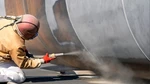
Sandblasting - or abrasive blasting as the industry now more accurately calls it - is one of the most critical surface preparation processes in the UAE's industrial, marine, construction, and oil and gas sectors. In a country where salt-laden coastal air, extreme summer heat, and high humidity accelerate metal corrosion faster than almost any other operating environment in the world, the quality of surface preparation before a protective coating is applied is the single most important factor in how long that coating lasts. A poorly blasted surface with residual rust, contamination, or an inadequate anchor profile will cause even a high-specification coating system to fail prematurely - wasting the coating cost, creating rework expense, and leaving the underlying structure unprotected. This guide covers every major category of sandblasting service in the UAE, how different blasting techniques work, what standards govern the work, and which verified UAE companies provide these services.
Verified Sandblasting and Surface Preparation Companies Across UAE
| Company Name | Emirate | Phone |
|---|---|---|
| CLG Technical Services LLC | Abu Dhabi | 050 4889701 |
| Dar Al Khaleej Steel Factory LLC | Sharjah | 06 5362212 |
| Bombay Metals Sands Cleaning LLC SP | Sharjah | 056 3553335 |
| Al Muntaha Metal Coating LLC | Sharjah | 06 5347017 |
| Al Masah Al Sawda Metal Coating LLC | Sharjah | 050 5546964 |
| Royal Tech Machinery Services | Abu Dhabi | 055 8851034 |
| Wamdhah Metal Industries LLC | Sharjah | 050 4370487 |
| Prism Tech Engineering LLC | Umm Al Quwain | 06 7640677 |
| Aqua Shield Insulation LLC | Dubai | 04 2589022 |
| Procoat Steel Solutions LLC | Dubai | 04 5693399 |
| Alsama Metal Workshop LLC | Ajman | 056 5603070 |
| Lavenir Decor Systems LLC | Umm Al Quwain | 06 7671014 |
| Power Metal and Glass LLC | Ajman | 06 7468002 |
| Al Ain Technical Metal Industries Est | Al Ain | 03 7222120 |
| Al Umor Metal Sands Cleaning | Sharjah | 054 3350716 |
Sandblasting Services in UAE
Professional Abrasive Blasting Companies in Dubai, Abu Dhabi and Sharjah for Industrial Surface Preparation - How UAE's Unique Climate Demands Higher Surface Preparation Standards Than Most Countries, and Why Choosing the Right Blasting Company Protects Your Asset Investment - Procoat Steel Solutions LLC Dubai, CLG Technical Services LLC Abu Dhabi & Dar Al Khaleej Steel Factory LLC Sharjah
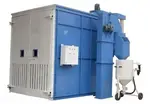
Professional abrasive blasting companies in the UAE serve one of the most demanding surface preparation markets in the world. The combination of coastal salt air (particularly aggressive along Dubai's marina and Abu Dhabi's offshore island developments), temperatures that swing from 20°C to 50°C across the year, high humidity in summer months, and intense UV radiation creates a corrosive environment. It attacks unprotected or poorly protected metal structures with remarkable speed. A steel structure in Dubai's coastal zone that would survive 15–20 years with a quality coating system can show significant corrosion breakthrough within 3–5 years if the surface preparation was inadequate before coating. This is why surface preparation - and specifically abrasive blasting to the correct cleanliness and profile standard - is not a cost to be minimised in the UAE's industrial and construction sector. It is an investment in the longevity of every coated asset the country operates.
What should a UAE project manager or procurement team specifically check when evaluating a sandblasting company - and what are the most common shortcuts that unqualified blasters take that lead to premature coating failure?
Four checks separate qualified professional blasting companies from unqualified operators in UAE.
1. Cleanliness standard verification - do they use a comparator (visual reference panel) to verify the achieved cleanliness level against the specified ISO or SSPC standard, or do they simply blast until the surface "looks clean"?
2. Surface profile measurement - do they use a profilometer or surface replica tape to measure the anchor pattern depth in microns and confirm it meets the coating specification?
3. Contamination testing - do they test for soluble salt contamination (chlorides) on the blasted surface before coating, using a Bresle patch or conductivity meter? Residual chloride contamination is a primary cause of coating blistering and delamination in UAE coastal environments.
4. Operator certification - do the blasters hold relevant certifications (NACE, FROSIO, or equivalent) demonstrating they understand the technical requirements?
The most common shortcuts are blasting to inadequate cleanliness (Sa 2 when Sa 2.5 is specified), not measuring surface profile, and allowing too long a period between blasting and coating application (allowing flash rust to form in UAE's humid coastal air).
UAE Sandblasting - Cleanliness Standards Reference
| ISO Standard | SSPC Equivalent | What It Means | UAE Application |
|---|---|---|---|
| Sa 2 (Thorough) | SSPC-SP 6 | Light staining of rust, scale, or paint visible - 67% clean | Low-exposure structural steel, non-critical general steel |
| Sa 2.5 (Near-White Metal) | SSPC-SP 10 | Only faint staining visible - 95% clean | Standard for most UAE industrial, marine and infrastructure coating |
| Sa 3 (White Metal) | SSPC-SP 5 | 100% bright metallic - no visible contamination | Oil and gas, immersion service, offshore UAE applications |
| St 3 (Hand Tool) | SSPC-SP 3 | Power tool cleaning - not blasting | Spot repairs, confined areas where blasting is not practical |
Procoat Steel Solutions LLC (04 5693399) in Dubai, CLG Technical Services LLC (050 4889701) in Abu Dhabi, and Dar Al Khaleej Steel Factory LLC (06 5362212) in Sharjah are professional abrasive blasting and surface preparation companies - contact them with your substrate type, coating specification, and project scope for a technical proposal and quotation.
Industrial Sandblasting Services
Heavy Duty Blasting for Steel Structures, Tanks and Pipelines in UAE - How Industrial Scale Abrasive Blasting Works on Large Structures, What Media Is Used for Different Industrial Applications, and Why UAE Oil and Gas and Petrochemical Sectors Demand the Highest Blasting Standards - Wamdhah Metal Industries LLC Sharjah, Royal Tech Machinery Services Abu Dhabi & Al Masah Al Sawda Metal Coating LLC Sharjah
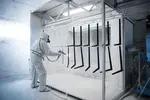
Industrial sandblasting in the UAE operates at a scale and specification level significantly beyond residential or light commercial work. The UAE's industrial sector - oil storage tanks at ADNOC facilities, petrochemical plant piping in Ruwais, structural steel in Sharjah's manufacturing zone, and transmission pipeline sections across Abu Dhabi's vast onshore field infrastructure - demands blasting to the highest international specifications, with full documentation of the achieved cleanliness and surface profile, third-party inspection in many cases, and coating application within defined time windows to prevent flash rust formation before coating can be applied.
How does flash rust occur on a freshly blasted steel surface in UAE - and what should a blasting contractor and the coating inspector do to manage this risk in Abu Dhabi's humid coastal climate?
Flash rust is a thin layer of rust that forms on freshly blasted steel when the bare metal surface is exposed to atmospheric moisture before the protective coating is applied. In UAE coastal zones - particularly Abu Dhabi's island and waterfront industrial areas and Dubai's port and marine zones - atmospheric humidity and salt content mean that flash rust can begin forming within 30–60 minutes on a blasted steel surface in summer. The international standard maximum time between blasting and coating application is typically 4 hours (and shorter if the coating specification specifically states it). Professional UAE industrial blasting contractors manage this risk by blasting in controlled sections, maintaining coating equipment ready for immediate application, and monitoring the dew point - steel must be at least 3°C above the dew point temperature before coating or moisture condensation will occur under the coating, causing immediate adhesion failure. When working on very large structures where the blasting-to-coating window cannot be reliably controlled, wash primer (a thin chemical pre-treatment coat) can be applied immediately after blasting to provide temporary corrosion inhibition.
- Storage tank blasting - above-ground oil, water, and chemical storage tanks across UAE industrial zones require external blasting for corrosion protection and internal blasting for product purity and lining application. Tank blasting involves confined space entry procedures, purging of flammable vapours, and specific abrasive media choices to avoid contamination of the stored product.
- Pipeline blasting - sections of new or rehabilitated pipeline in the UAE are blasted internally and externally in factory or yard conditions before protective coating and wrapping. Field girth weld areas are blasted on-site after welding. The abrasive and the cleanliness standard are matched to the pipeline service (water, oil, gas) and the coating system specified.
- Steel structure blasting - fabricated steel sections (beams, columns, trusses) in UAE steel fabrication workshops in Sharjah and Jebel Ali are blast-cleaned before primer application as part of the fabrication process. Shop blasting is more controlled and cost-effective than on-site blasting, which is why the sequence of fabricate-blast-prime-deliver to site is standard practice in UAE steel construction.
Wamdhah Metal Industries LLC (050 4370487) in Sharjah, Royal Tech Machinery Services (055 8851034) in Abu Dhabi, and Al Masah Al Sawda Metal Coating LLC (050 5546964) in Sharjah provide industrial blasting services - contact them with your substrate, area, coating specification, and project location for a technical quotation.
Marine Sandblasting Services
Ship Hull Cleaning and Offshore Blasting Solutions in UAE - How Marine Blasting Works in Drydock at Jebel Ali, Fujairah and UAE Coastal Facilities, What Antifouling and Marine Coating Systems Require in Terms of Surface Preparation, and Why UAE Marine Blasting Demands the Toughest Technical Standards - CLG Technical Services LLC Abu Dhabi, Prism Tech Engineering LLC Umm Al Quwain & Aqua Shield Insulation LLC Dubai
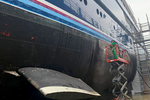
Marine sandblasting in the UAE serves the country's active maritime sector - one of the busiest in the Middle East, centred on Jebel Ali (the largest port in the region), Khalifa Port in Abu Dhabi, Fujairah Port (the world's second-largest bunkering hub), and Khor Fakkan on the east coast. Every vessel operating in UAE waters - from small coastal patrol boats to large bulk carriers and tankers - requires periodic drydocking for hull inspection, cleaning, blasting, and recoating with antifouling paint systems that prevent marine organism attachment and protect the steel hull from seawater corrosion. Marine blasting is technically demanding because ship hull steel operates in the most corrosive environment possible (full seawater immersion), at hydrostatic pressures that test coating adhesion, and with the biological challenge of marine organism growth that mechanically damages coatings and traps moisture against the hull.
Why is marine blasting technically more demanding than land-based industrial blasting - and what additional controls are required specifically for ship hull blasting in UAE drydocks?
Marine blasting presents four specific challenges beyond land-based industrial work. First, the time pressure is extreme - a vessel in drydock costs AED 50,000–300,000+ per day in port fees, crane hire, and vessel downtime. The blasting-coating-inspection sequence must be completed within a tightly controlled drydock window, often 5–15 days for a typical commercial vessel, meaning 24-hour blasting and coating operations are common. Second, soluble salt contamination is higher on marine steel - seawater-saturated hulls retain chloride ions within the steel surface profile even after blasting, and these residual chlorides must be tested and flushed with fresh water if above the specified threshold (typically less than 20 mg/m² for immersion service) before coating can proceed. Third, the complexity of hull geometry - propeller shafts, sea chests, rudder pintles, and hull complex curves require hand blasting and spot preparation methods alongside machine blasting, demanding a larger and more skilled blasting crew. Fourth, environmental containment - blast media and old paint debris from hull blasting must be contained and collected to meet UAE port authority and environmental requirements.
CLG Technical Services LLC (050 4889701) in Abu Dhabi, Prism Tech Engineering LLC (06 7640677) in Umm Al Quwain, and Aqua Shield Insulation LLC (04 2589022) in Dubai provide marine blasting and surface preparation services - contact them with your vessel type, drydock schedule, and coating specification for a marine blasting proposal.
Construction & Building Sandblasting
Concrete Surface Cleaning and Facade Restoration Services in UAE - How Abrasive Blasting Cleans and Restores Concrete, Stone, and Brick Building Facades in Dubai, Abu Dhabi and Sharjah, and What Techniques Avoid Surface Damage on Sensitive Heritage or Architectural Surfaces - Lavenir Decor Systems LLC Umm Al Quwain, Bombay Metals Sands Cleaning LLC Sharjah & Alsama Metal Workshop LLC Ajman
Construction and building sandblasting in the UAE covers a wide range of surface preparation and restoration applications beyond steel - concrete, natural stone, brick, and masonry surfaces can all be cleaned, textured, or restored using abrasive blasting techniques adapted for these more delicate substrates. Dubai's ageing building stock - particularly in areas like Deira, Bur Dubai, and older residential districts of Sharjah - includes facades that have accumulated decades of atmospheric grime, biological staining, old paint, and weathering damage that restore to a clean, attractive appearance with appropriate blasting treatment. Abu Dhabi's ongoing urban renewal projects frequently involve restoring heritage and older residential buildings using facade cleaning techniques that respect the original architectural character while removing unsightly surface contamination.
What is the difference between wet blasting and dry blasting for building facade cleaning in UAE - and why do specialist UAE facade restoration contractors prefer wet or vapour blasting for sensitive architectural surfaces?
Dry abrasive blasting uses compressed air to propel dry abrasive media against the surface - it is fast, aggressive, and effective for heavy industrial steel preparation but can be too destructive for concrete, natural stone, and architectural surfaces where even minor surface damage is visible and unacceptable. Wet blasting (or vapour abrasive blasting) mixes water with the abrasive before projection - the water cushions the impact of the abrasive particles, reducing the surface aggressiveness while still effectively cleaning the substrate. The result is more controllable surface preparation with significantly less dust generation (important for urban facade work where neighbouring properties and public areas must be protected). For UAE building facade restoration, wet blasting also helps to flush soluble salts and biological material from porous concrete and stone - an important benefit in UAE coastal buildings where chloride contamination within the stone itself can cause ongoing staining and deterioration if not addressed. The limitation of wet blasting is that the surface must be allowed to dry completely before any coating or treatment is applied, which adds time to the programme.
Lavenir Decor Systems LLC (06 7671014) in Umm Al Quwain, Bombay Metals Sands Cleaning LLC SP (056 3553335) in Sharjah, and Alsama Metal Workshop LLC (056 5603070) in Ajman provide building and construction blasting services - contact them with your substrate type, facade area, and required finish for a cleaning and restoration assessment.
Rust Removal & Corrosion Control
Sandblasting for Metal Cleaning and Long-Term Corrosion Protection in UAE - Why Abrasive Blasting Is the Most Effective Method for Rust Removal on Structural Steel and Metal Equipment in Dubai, Abu Dhabi and Sharjah, and What Happens If Corrosion Is Not Properly Addressed - Al Muntaha Metal Coating LLC Sharjah, Al Umor Metal Sands Cleaning Sharjah & Al Ain Technical Metal Industries Est Al Ain

Rust removal is the most frequently requested sandblasting service across UAE commercial and industrial operations. Steel structures, gates, railings, equipment housings, storage tanks, vehicles, and machinery across the UAE's industrial facilities, construction sites, and marine environment all develop surface corrosion that, if left untreated, progresses from surface staining to active pitting corrosion to structural section loss - the point at which the component must be replaced rather than restored. Abrasive blasting is the most effective method for rust removal because it physically removes the rust and the weakened surface layer beneath it, exposing sound metal, while simultaneously creating the surface profile (anchor pattern) that the subsequent protective coating needs to achieve proper adhesion.
At what stage of corrosion is it too late to save a steel component through sandblasting and recoating - and what visual signs tell a UAE maintenance manager that a structure needs replacement rather than restoration?
Abrasive blasting and recoating can restore steel that has surface corrosion, light pitting, and even moderate section loss - provided the remaining wall thickness is structurally adequate for the application. The threshold for replacement versus restoration depends on the original design thickness and what the component must carry or contain. For structural steel members (beams, columns, bracing), most engineers specify that section loss above 20–25% of the design thickness warrants replacement. For storage tank shells, API 653 (the industry standard for tank inspection) defines minimum acceptable thickness based on the corrosion rate and the remaining service life required. Visual indicators that suggest replacement rather than restoration: deep pitting that creates cavities in the steel face (not just surface roughness), through-wall corrosion or holes, section loss that causes visible bowing or deformation of the structural member, and laminar corrosion where layers of steel are delaminating within the section. Any of these should trigger a structural assessment before a blasting and coating specification is approved - investing in blasting and coating a structurally compromised component is money wasted.
Corrosion Stages and UAE Treatment Approach
| Corrosion Stage | Visual Appearance | Recommended UAE Treatment |
|---|---|---|
| Grade A (Original surface - no visible rust) | Mill scale intact or light surface staining | Blast to Sa 2.5 to remove mill scale and prime - most cost-effective at this stage |
| Grade B (Light rust) | Surface rust started - mill scale starting to lift | Blast to Sa 2.5, inspect for pitting, apply coating system |
| Grade C (Heavy rust) | Mill scale gone, visible rust and pitting over most of surface | Blast to Sa 2.5 or Sa 3 - inspect pitting depth - coat with high-build system |
| Grade D (Severe) | Heavy pitting - possible section loss - scale and rust throughout | Structural assessment before proceeding - blast to Sa 3, measure remaining thickness, consider replacement |
Al Muntaha Metal Coating LLC (06 5347017) and Al Umor Metal Sands Cleaning (054 3350716) in Sharjah, and Al Ain Technical Metal Industries Est (03 7222120) in Al Ain provide rust removal and corrosion control services - contact them with your asset type, corrosion stage, and location for an inspection and restoration proposal.
Sandblasting & Painting Services
Surface Preparation Before Coating, Epoxy and Powder Coating in UAE - How Abrasive Blasting and Coating Work Together as a System, What Epoxy and Powder Coating Require in Terms of Surface Preparation, and Why the Coating Is Only as Good as the Surface Under It - Dar Al Khaleej Steel Factory LLC Sharjah, Al Muntaha Metal Coating LLC Sharjah & Power Metal and Glass LLC Ajman
Sandblasting and painting services in UAE are most effective when treated as an integrated system - not as two separate steps. The blasting determines the cleanliness and surface profile; the coating system must be matched to the blasted profile and applied within the correct time window on a surface that meets the temperature, humidity, and dew point requirements for the specific coating. This systems thinking is what separates a professional blasting and painting contractor from one who simply blasts and then applies whatever coating the client provides. A coating system mismatched to the application (wrong coating type for the environment), applied to an inadequately blasted surface (wrong cleanliness or profile), or applied under incorrect conditions (temperature too low, humidity too high, dew point too close to steel temperature) will fail regardless of the quality of the individual coating product used.
What is the difference between epoxy coating and powder coating in the UAE industrial context - and which is more appropriate for steel structures exposed to the UAE's outdoor environment?
Epoxy coatings are liquid applied (by brush, roller, or spray) two-component coating systems where a resin and a hardener are mixed before application. They cure chemically to form a hard, dense film with excellent adhesion to blasted steel, excellent resistance to water and many chemicals, and strong barrier properties against corrosion. Epoxy is the dominant coating for industrial, marine, and infrastructure applications in the UAE - pipe internal linings, tank coatings, structural steel in harsh environments, and offshore applications all use epoxy as the primary functional coating layer. The limitation of epoxy is UV sensitivity - most epoxy coatings chalk and degrade under UAE sun exposure, which is why a UV-stable topcoat (polyurethane or polysiloxane) is applied over the epoxy system for outdoor applications. Powder coating is a dry finishing process where electrostatically charged powder particles are applied to the steel surface and then cured in an oven at 180–200°C - the heat fusion creates a very durable, uniform coating with good appearance and moderate corrosion resistance. Powder coating is ideal for items that can be oven-cured (gates, railings, furniture, architectural metalwork, vehicle parts) but is not practical for large structural steel or on-site applications where an oven is not available. Both require blasting as surface preparation - typically to Sa 2.5 with a 40–70 micron profile for epoxy, and to Sa 2.5 with a clean, dust-free surface for powder coating.
Coating System Selection - UAE Environment Guide
| Application | Recommended System | Blasting Standard | Expected Service Life UAE |
|---|---|---|---|
| Outdoor structural steel (coastal) | Zinc-rich primer + epoxy MIO + PU topcoat | Sa 2.5, 50–75 micron profile | 10–15 years with maintenance |
| Architectural metalwork (gates, railings) | Powder coating (polyester or epoxy-polyester) | Sa 2.5, clean and dust-free | 8–12 years with quality powder |
| Storage tank (external) | Zinc primer + epoxy MIO + PU or epoxy topcoat | Sa 2.5 to Sa 3 | 8–15 years |
| Pipeline (buried or immersed) | Fusion bonded epoxy (FBE) or 3-layer PE | Sa 3 | 20–30 years |
| Ship hull (antifouling) | Tie coat + antifouling paint (biocidal or fouling-release) | Sa 2.5, salt-tested | 3–5 years drydock interval |
Dar Al Khaleej Steel Factory LLC (06 5362212) in Sharjah, Al Muntaha Metal Coating LLC (06 5347017) in Sharjah, and Power Metal and Glass LLC (06 7468002) in Ajman provide combined sandblasting and painting services - contact them with your asset, environment exposure, and required service life for a coating system recommendation.
Types of Blasting Techniques
Shot Blasting, Grit Blasting and Glass Bead Blasting Explained - What Each Blasting Method Does, Which Abrasive Media Is Correct for Different UAE Applications, and How to Specify the Right Blasting Technique for Your Project in Dubai, Abu Dhabi or Sharjah - Bombay Metals Sands Cleaning LLC Sharjah, Procoat Steel Solutions LLC Dubai & Wamdhah Metal Industries LLC Sharjah
The term "sandblasting" has become the colloquial name for all abrasive blasting operations, but it technically describes only one type - and not the most appropriate type for many UAE industrial applications. Understanding the different blasting techniques, the media they use, and what each achieves on the surface helps procurement teams and engineers specify correctly rather than leaving the choice to the contractor, who may choose whichever media is cheapest or most readily available rather than most appropriate for the application.
Shot Blasting
Shot blasting uses spherical steel shot propelled by a centrifugal wheel (in wheel blast machines) or by compressed air (in suction or pressure blast equipment). Steel shot is round in profile - it peens the surface rather than cutting it, producing a relatively smooth, even surface profile with a shallow, dimpled texture. Shot blasting is very efficient for removing mill scale and light rust from flat steel plates and sections in a factory or workshop environment. The wheel blast machine - where the shot is recycled within a sealed chamber - is the standard equipment for new steel fabrication shops in the UAE, including in Sharjah's manufacturing zone. Shot blasting is less effective for heavily corroded or pitted surfaces where angular abrasives cut more aggressively into and around the pitting to fully clean the profile.
Grit Blasting
Grit blasting uses angular abrasive media - steel grit, garnet, aluminium oxide, copper slag, or coal slag - projected by compressed air through a blast nozzle. The angular shape of the grit particles cuts into the steel surface aggressively, removing rust, scale, and old coatings while simultaneously creating a sharp, angular anchor profile with a defined depth (measured in microns by profilometer or replica tape). Garnet is widely used in UAE oil and gas and marine blasting because it is non-silica, produces minimal dust, and creates a consistent profile - it is an imported abrasive (primarily from Australian sources) but is widely stocked in UAE. Steel grit is economical and recyclable in workshop conditions. Copper slag - a byproduct of copper smelting - is very widely used for on-site blasting in the UAE because it is cheap, produces aggressive profile, and is readily available at UAE industrial suppliers. The downside of copper slag is that it shatters on impact and cannot be recycled, generating larger volumes of spent media for disposal. Is garnet blasting more expensive than copper slag - and in which UAE applications does the premium justify itself? Garnet blasting costs approximately 20–35% more per square metre than copper slag blasting. The premium is justified in applications where minimal dust is critical (confined spaces, marine applications near water, urban construction where dust containment is difficult) and where a more consistent, measurable profile is required for critical coating specifications. In most standard structural steel and industrial applications where containment is manageable, copper slag remains the most economical UAE blasting choice.
Glass Bead Blasting
Glass bead blasting uses small spherical glass beads and operates in a similar way to shot blasting in terms of its peening effect - but at lower pressures and with a gentler action. The result is a smooth, bright, satin finish that does not significantly roughen the substrate surface. Glass bead blasting is used in the UAE for precision metal parts finishing, decorative metalwork, stainless steel surface finishing (to remove weld discolouration and produce a consistent appearance), and in automotive restoration. It is not appropriate for heavy-duty industrial surface preparation where a significant anchor profile is required - the surface profile created by glass bead blasting is typically only 10–20 microns, insufficient for most industrial coating systems.
Blasting Technique Comparison - UAE Selection Guide
| Technique | Media Used | Surface Profile | Best UAE Application |
|---|---|---|---|
| Shot blasting (wheel) | Steel shot (spherical) | Smooth dimple - Rz 30–60 microns | Workshop steel fabrication, new plate preparation in UAE steel factories |
| Grit blasting - garnet | Angular garnet | Sharp angular - Rz 50–100 microns | Oil and gas, marine, low-dust confined space UAE applications |
| Grit blasting - copper slag | Angular copper slag | Sharp angular - Rz 50–90 microns | Most cost-effective on-site blasting across UAE construction and industrial |
| Grit blasting - steel grit | Angular steel grit | Very sharp angular - Rz 60–120 microns | Workshop with media recycling - aggressive profile for high-build coatings |
| Glass bead blasting | Spherical glass beads | Smooth satin - Rz 10–20 microns | Precision parts finishing, decorative metalwork, stainless steel UAE applications |
| Wet / vapour blasting | Water + abrasive mixture | Variable - controlled by pressure and abrasive | Building facade cleaning, sensitive substrates, urban blasting with dust control requirement |
Bombay Metals Sands Cleaning LLC SP (056 3553335) in Sharjah, Procoat Steel Solutions LLC (04 5693399) in Dubai, and Wamdhah Metal Industries LLC (050 4370487) in Sharjah offer multiple blasting techniques - contact them with your substrate, required cleanliness standard, and site conditions to determine the most appropriate blasting method for your UAE project.
Frequently Asked Questions - Sandblasting Services in UAE
Common Questions About Abrasive Blasting, Surface Standards, Costs, Safety and Techniques in UAE Answered - Prism Tech Engineering LLC Umm Al Quwain, Al Masah Al Sawda Metal Coating LLC Sharjah & Procoat Steel Solutions LLC Dubai
What is sandblasting and why is it used in UAE industrial projects?
Sandblasting (abrasive blasting) propels abrasive media at high pressure against a surface to clean, roughen, and prepare it for protective coating. In the UAE's aggressive environment - salt air, extreme heat, humidity - it is the primary corrosion defence method for steel structures, pipelines, tanks, and marine vessels. Proper blasting followed by the correct coating system is what makes the difference between a structure that lasts 15+ years and one that shows coating failure within 3–5 years.
What is the difference between sandblasting, shot blasting, and grit blasting?
Sandblasting historically used silica sand - now restricted due to silicosis risk. Shot blasting uses spherical steel shot in wheel machines for workshop steel preparation - creating a smooth dimple profile. Grit blasting uses angular media (garnet, steel grit, copper slag) to create a sharp anchor profile needed for industrial coatings. Glass bead blasting uses glass spheres for smooth finishing without significant profiling. Each is appropriate for different applications and different surface profile requirements.
What surface cleanliness standard is required before epoxy or industrial coating in UAE?
For most UAE industrial and marine applications, Sa 2.5 (ISO 8501-1) or SSPC-SP 10 (Near-White Metal) is the minimum - 95% of all rust, scale, and contamination removed. For oil and gas immersion service and offshore applications, Sa 3 (White Metal / SSPC-SP 5) is specified - 100% clean bright metal. Surface profile (roughness) of 40–75 microns is also required alongside cleanliness to ensure coating adhesion.
How much does sandblasting cost in UAE?
Workshop blasting on structural steel: AED 15–35 per sqm blasting only. On-site blasting: AED 25–60 per sqm. Combined blasting and standard coating: AED 40–80 per sqm. Marine and tank blasting is priced by surface area and specification. Hazardous or confined space work commands a further premium. Contact Procoat Steel Solutions (04 5693399) or Dar Al Khaleej Steel Factory (06 5362212) for project-specific quotations.
Is sandblasting dangerous and what safety measures are required in UAE?
Yes - sandblasting is one of the most hazardous industrial operations. Key risks are silica dust inhalation (silicosis), heavy metal dust from old paint, extreme noise (115–120 dB), and physical impact. UAE requirements include air-supplied (not filter) respirators for blasters, hearing protection, full protective clothing, blast media containment and collection, and confined space entry procedures for tank or vessel work. Non-silica abrasives (garnet, steel grit, copper slag) are required in many UAE applications to reduce silicosis risk.
Can concrete and building facades be sandblasted in UAE?
Yes - but with care. Aggressive dry blasting can damage concrete and stone surfaces. Wet or vapour blasting is preferred for facade restoration - it cleans effectively while the water cushions impact, reducing surface damage and controlling dust. UAE building facades in coastal zones benefit from wet blasting that also flushes chloride contamination from porous substrates. The process must be assessed for substrate condition and the correct pressure and media specified before starting.
Sandblasting Companies in UAE
- CLG Middle East Contracting LLC, Abu Dhabi, Contact:
- Dar Al Khaleej Steel Factory LLC, Sharjah, Contact: 06-5362212
- Bombay Metals Sands Cleaning LLC SP, Sharjah, Contact: 056-3553335
- Al Muntaha Metal Coating LLC, Sharjah, Contact: 06-5347017
- Al Masah Al Sawda Metal Coating LLC, Sharjah, Contact: 050-5546964
- Royal Tech Machinery Services, Abu Dhabi, Contact:
- Prism Tech Engineering LLC, Umm Al Quwain, Contact: 06-7640677
- Aqua Shield Insulation LLC, Dubai, Contact: 04-2589022
- Procoat Steel Solutions LLC, Dubai, Contact: 04-5693399
- Alsama Metal Workshop LLC, Ajman, Contact: 056-5603070
Featured Companies
 Specialists in high quality Hanger Doors, Industrial Doors, Commercial Doors, Industrial Rolling shutters, High speed Doors, Dock Levelers, Dock Shelters, Fabric Ducts, Blast Proof Doors, Fire Rated/NFR Hollow Metal Doors.
Mobile : <

The Bonn Metals Construction Industries (BMCI) is one of the best and leading manufacturers of cable trays in UAE.
Products & Services:- Cable Tray, PPR Pipes, Hot Dip Galvanisation, Cable Trunking, Unistrut Channel, Cable Tra
 QCON General Trading LLC is one of UAE’s most respected retailers, wholesalers and authorized distributors for Quality Construction & Building materials with multiple branches across the UAE . (One-stop solutions for all Construction and Refurbishment nee